Halkidiki draws more Western European visitors as Russian tourism declines
More than one million foreign tourists visited Greece's Halkidiki peninsula in 2025, with this season tracking similarly or higher, as the mix of visiting nationalities shifts noticeably.
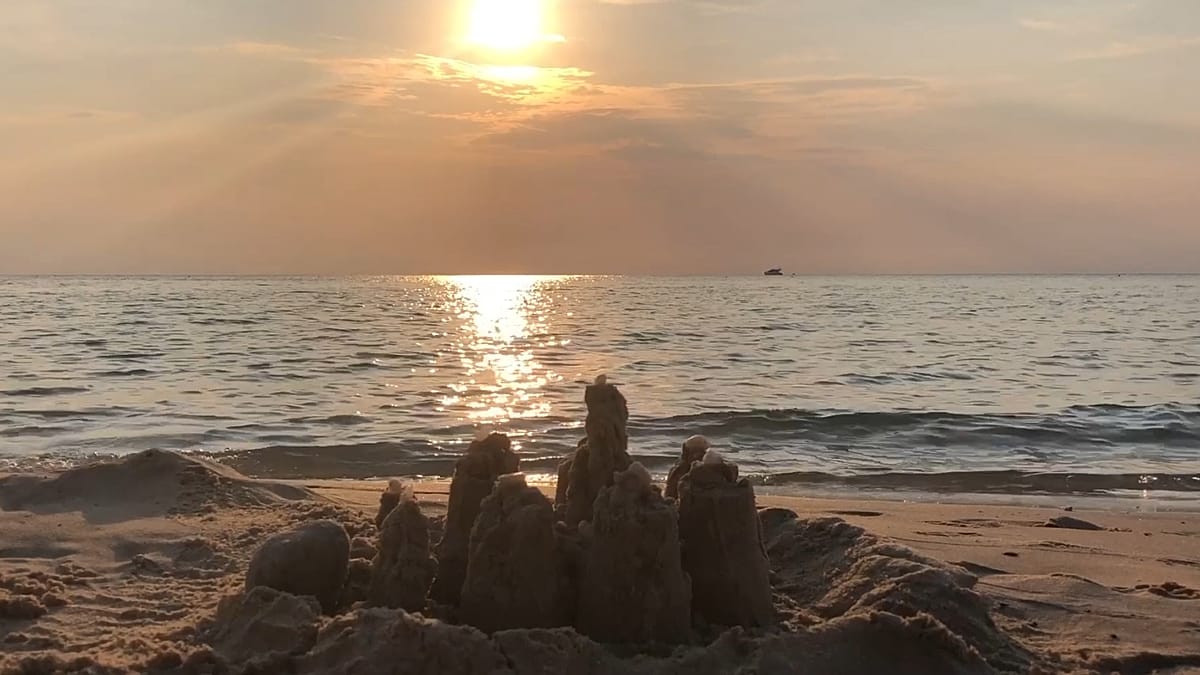
Greece's Halkidiki peninsula, long a favourite getaway for residents of Thessaloniki, is increasingly attracting visitors from across Europe. Recent data show more than one million foreign tourists, most of them European, visited the region in 2025, and this year's numbers are running at similar or even higher levels.
Notably, a large wildfire that broke out in Siviri did little to discourage travellers. Even the part of Halkidiki directly affected by the blaze saw no drop in visitor numbers, and hotel owners report no cancellations. The main change this year is that tourists are staying for shorter periods than before, while spending proportionally more during their visit.
A shifting visitor profile
In recent years the makeup of Halkidiki's tourists has changed considerably. Geopolitical factors, including the war in Ukraine and EU sanctions that ban direct flights between Greek and Russian airports, have led to a sharp drop in Russian visitors. Russians previously often combined a stay in the region with a trip to Mount Athos, but that flow of tourism has largely shifted to neighbouring Turkey.
The resulting gap has already been filled by a combination of visitors from neighbouring Balkan countries — mainly Serbia, Bulgaria and North Macedonia, which have long included the region in their travel plans — and a growing number of tourists from Western Europe. British, German, French, Swiss and Italian travellers are increasingly choosing Halkidiki for its clear waters, and many of them return for repeat visits.


/nginx/o/2026/04/25/17592938t1h3672.jpg)