Harvard analysts assess four scenarios for Russia's political system through 2030
The Harvard University project “Russia Matters” has outlined four possible scenarios for Russia up to 2030 in a new report. The most likely is one in which the current system of power survives despite isolation and sanctions.
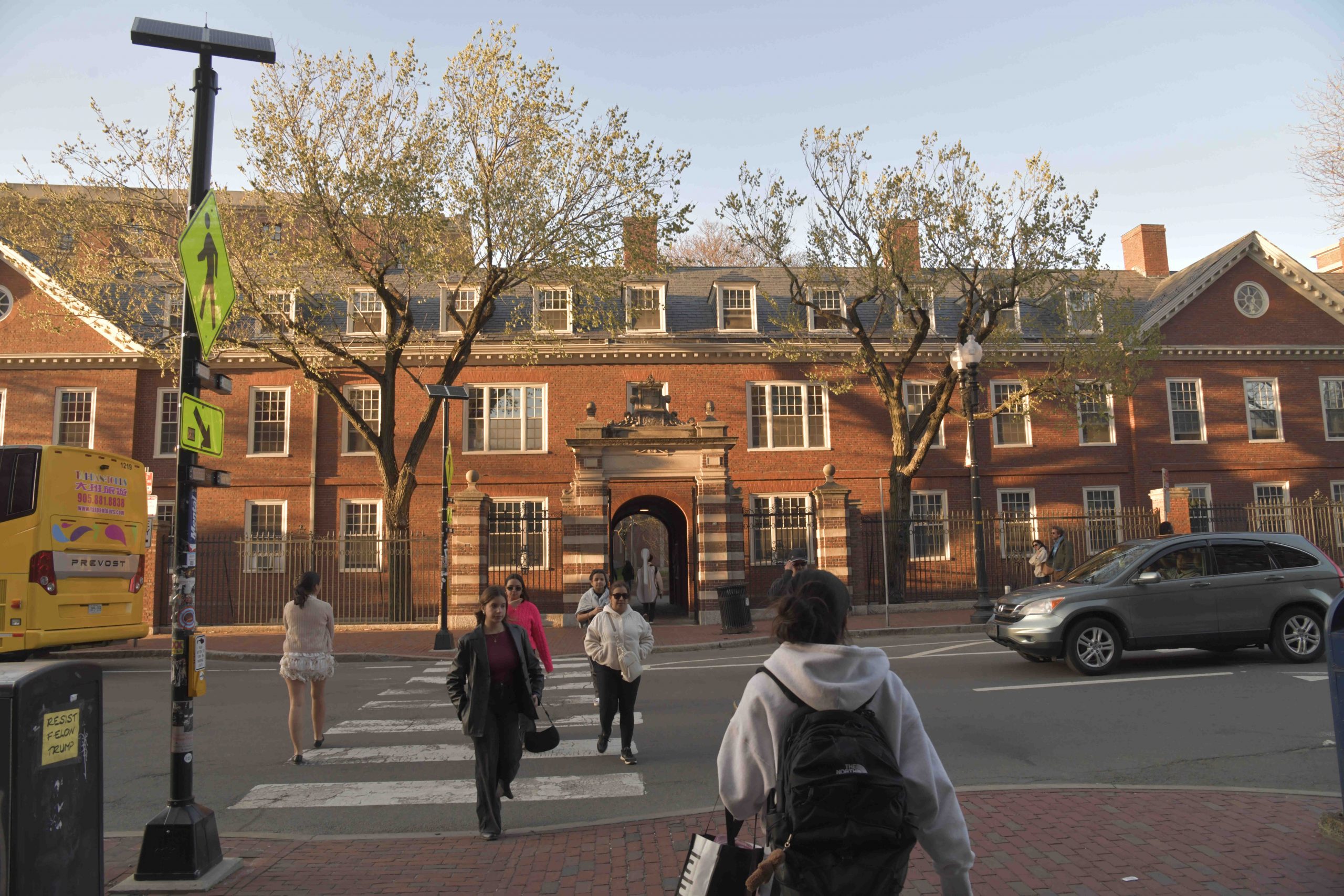
Harvard University's analytical project “Russia Matters” has published a report examining four possible scenarios for Russia's political development through 2030. They include the survival of the current power system, a gradual weakening of state institutions, and a serious crisis within the elite. The report sets out what researchers consider possible in a country that is waging war against Ukraine and is under Western sanctions.
The most likely scenario: “Besieged Fortress”
Researchers regard “Besieged Fortress” as the most probable, putting its likelihood at 37–42%. In it, Russia's political system stays resilient despite international isolation and prolonged confrontation with the West. The authorities keep tight control over society through security structures and withstand sanctions pressure. The economy does not grow rapidly but adapts to new conditions by reorienting trade towards Asian markets, especially China. The war in Ukraine continues as a positional stalemate.
“Snapped String”
The second scenario is given a 23–26% probability. It involves no sudden collapse but a gradual weakening of state institutions and administration. Economic stagnation continues with annual growth staying below 1–2%, skilled professionals keep leaving the country, and regions rely less on instructions from the federal centre. International isolation eases because the West pays Russia less attention.
“Someone Made a Mistake”
The third scenario has a 16–21% probability. It is built around a serious Russian military or operational failure in Ukraine, which would undermine one of the regime's key arguments for continuing the war. The system would not collapse immediately, but a fierce struggle over responsibility would begin among the ruling circles, for example between security officials and the technocratic part of the elite. The West would step up sanctions.
“New Tilsit”
The fourth variant is rated at 16–19%. Its name refers to the 1807 Peace of Tilsit. Here Russia achieves significant military success in Ukraine and tries to impose its vision of security architecture on Europe, while its isolation diminishes because of Western divisions and fatigue.
Less likely events
The authors also single out two less probable events: a simultaneous collapse of several state institutions followed by loss of control over nuclear weapons, which analysts did not quantify, and a rapid split within the security structures resembling Yevgeny Prigozhin's 2023 mutiny. The latter is currently put at 3–5%, rising to 8–10% by 2030.