Hasina vows to return to Bangladesh despite death sentence
Former Bangladeshi prime minister Sheikh Hasina has said she will go back to her country in December, even though she faces the death penalty. She spoke by audio link to reporters in Delhi on the second anniversary of her ouster.
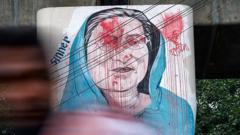
Former Bangladeshi Prime Minister Sheikh Hasina has vowed to return to Bangladesh in December, despite being sentenced to death for crimes against humanity. Hasina denies the charges and was tried in absentia after fleeing to India during an anti-government uprising in 2024.
Speaking via audio link to a crowded press club in Delhi, Hasina said on the second anniversary of her ouster that she "had to go back," but declined to give exact plans or dates. It was her first meeting with the media since she was toppled after 15 years in power.
In her address, she alleged that several organisations had turned the 2024 student protests into a "violent movement," without providing evidence. Hasina has consistently rejected the charges as politically motivated. However, UN investigators found evidence that she and her government resorted to systematic, deadly violence to cling to power. In a phone call verified by BBC Eye, Hasina was heard authorising the deadly crackdown on demonstrators, and prosecutors used that recording as crucial evidence in her conviction.
The UN estimates that up to 1,400 people were killed, most by gunfire from security forces, during the protests, which began as a student-led movement against job quotas and became a mass uprising. The 78-year-old fled Dhaka as tens of thousands of demonstrators stormed government buildings. An interim government took over after her fall, and the Bangladesh Nationalist Party won elections in February, making Tarique Rahman prime minister.
Rahman's government had warned local media not to publish or broadcast Hasina's comments and later said it was "outraged" that India allowed her to address reporters publicly. A foreign ministry statement said the nation was determined never to return to "the dark days of fascism." Bangladesh wants Hasina extradited, a request India says it is examining.
Analysts say returning is a huge personal risk for Hasina, as she would be arrested immediately. Supporters of the ruling party, the student-based National Citizens Party, and Islamists might hold rallies demanding her sentence be carried out. If she stays away, however, the stakes are also high for her Awami League party, which was banned after she fled and was not allowed to contest the February election. A former minister, Mohammad Ali Arafat, said that if Hasina does not go back, violence will continue and the party could be exterminated. There is also growing discontent within the party that top leaders fled, leaving mid-level supporters vulnerable.