Houston's Counter-Drone Policy Falls Under a Federal Rule That Excludes Radar
The US federal rule 6 CFR Part 124 requires local police agencies to adopt a written counter-drone policy, but it does not cover radar, cameras or acoustic sensors. Houston's city council approved its bid for FEMA counter-drone funding on November 4.
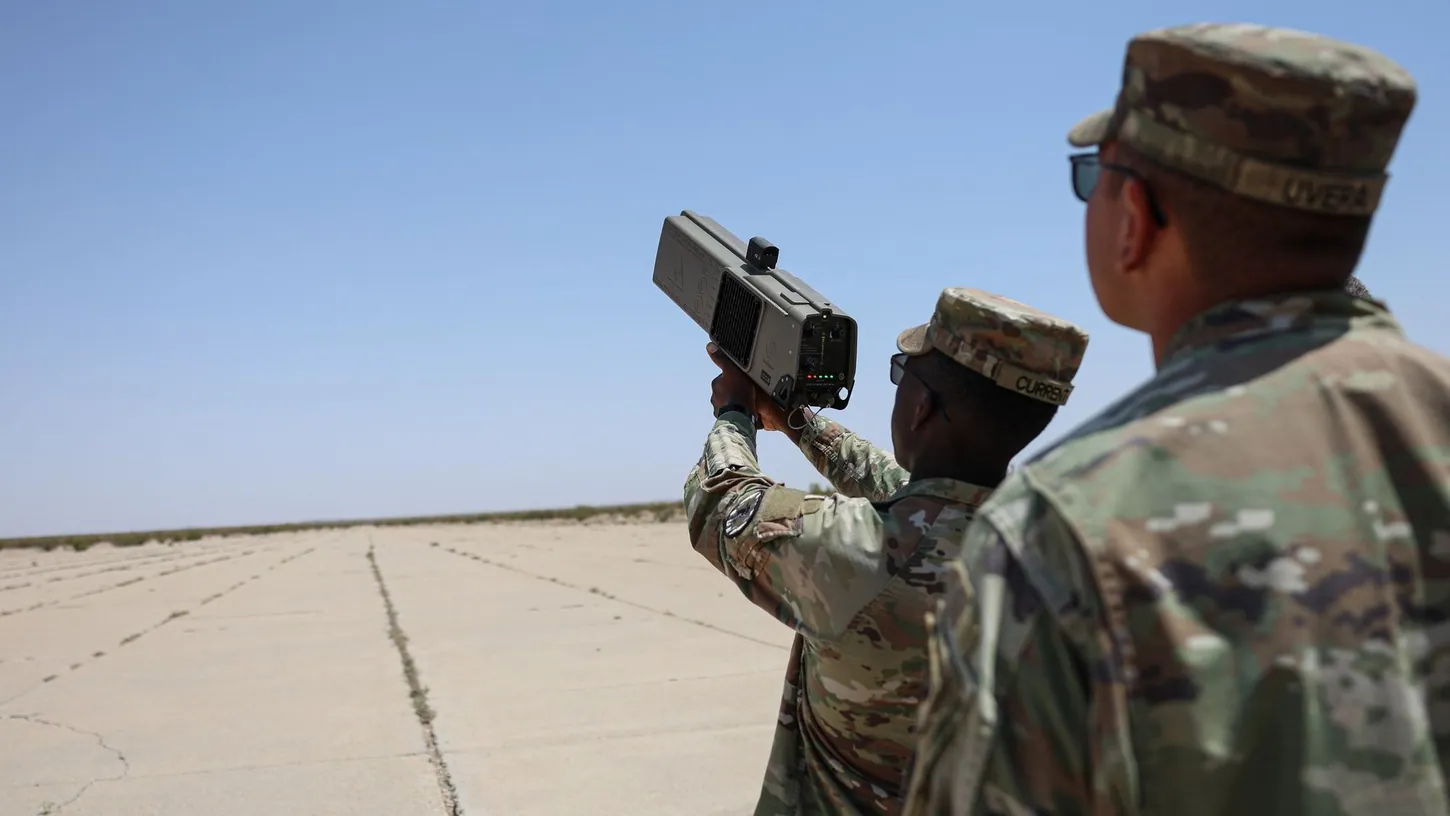
The US Federal Emergency Management Agency (FEMA) set 5 p.m. Eastern on Monday, November 16, as the deadline for states to apply for the second $250 million round of counter-drone funding. The agency expects to issue awards on December 10. The city council of Houston, Texas, approved the city's bid on November 4, while the rules for using the equipment were still being drafted. Most of those rules are not Houston's to set.
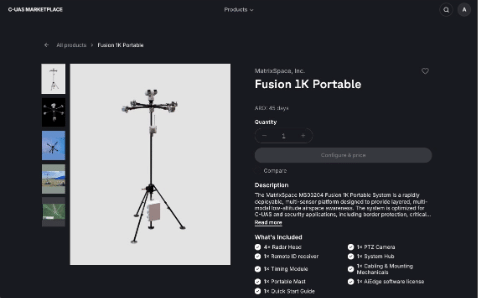
Local counter-drone work has been governed since July 1 by a Justice and Homeland Security departments rule, 6 CFR Part 124. It lists what a police agency's written policy must contain, who reviews it and how often the agency must attest to it. The same rule states that radar, cameras and acoustic sensors are not subject to it, even though all three are on the equipment list the FEMA grant pays for.
What the rule requires
Under Section 124.6, an agency must adopt a written policy before any operation. Its legal counsel must review it before adoption and at each annual renewal, and the agency attests to it in a federal portal. The policy must name a senior approving official and the authorized officers, and cover public notification, data handling, retention and anonymization, and use-of-force procedures. The FBI's National Counter-UAS Training Center does not pre-approve the document, but may audit it later and suspend accreditation. The rule does not require the policy to be published.
Equipment outside the rule
The rule reaches detection gear only when it needs the federal authority to operate legally, for example a sensor that intercepts a drone's control link. Electro-optical, infrared and acoustic detection, and radar, fall outside it. Intercepted control communications may be kept no longer than 180 days, with exceptions.
A seized drone is subject to forfeiture under the seizing agency's local laws, and the rule sets no federal process for its return. An officer who uses a jammer or takes over a drone must hold a Part 107 remote pilot certificate and the FBI's Mitigation Certification.
Marshall White, founder of drone compliance software company UAShield, said which of Houston's purchases are actually covered is a fair question to ask.