Two Tiananmen vigil organisers convicted of 'inciting subversion' in Hong Kong
A Hong Kong court has found two veteran activists guilty of inciting subversion over their organisation of annual vigils commemorating the 1989 Tiananmen Square crackdown, in one of the highest-profile trials since Beijing's 2020 national security law.
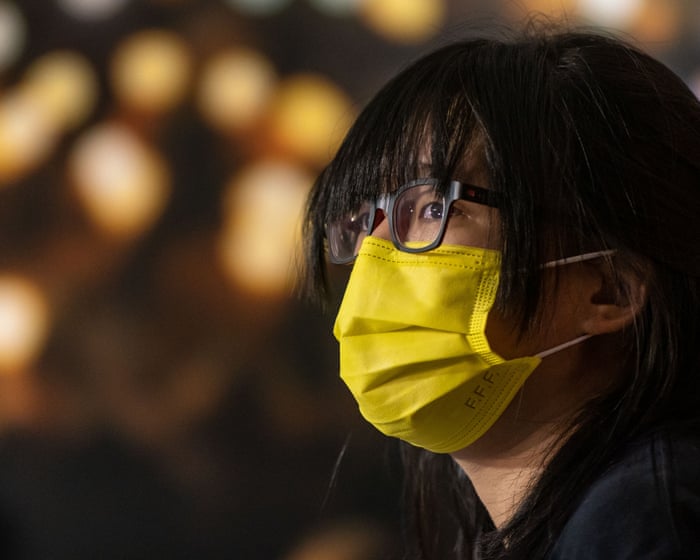
A Hong Kong court has convicted two long-time pro-democracy activists, Lee Cheuk-yan, 69, and Chow Hang-tung, 41, of inciting subversion of state power over their organisation of annual vigils marking China's deadly 1989 Tiananmen Square crackdown. Judges ruled the pair had incited others to organise, plan or take part in unlawful acts aimed at subverting state power. They face up to 10 years in prison, with sentencing to be announced later.
The trial, which began in January, ran for 24 days. A third defendant, 74-year-old former lawmaker Albert Ho, had already pleaded guilty earlier in the year. Chow, who represented herself in court, argued in May that it was effectively the law itself being put on trial.
Both convicted activists led the now-disbanded Hong Kong Alliance, the group behind the city's annual vigil honouring those killed during the crackdown on pro-democracy protesters in Beijing on 4 June 1989. In court, the pair waved to supporters from the dock, with Lee making a heart-shaped hand gesture after the verdict was read.
Historical background
Hong Kong and Macau had been the only places on Chinese soil where public commemoration of the 1989 crackdown was permitted. That changed after Beijing imposed a national security law on Hong Kong in 2020, following large and at times violent pro-democracy protests the previous year, effectively ending public vigils.
The Alliance's leaders were charged in 2021 and have remained in custody since. Ahead of the verdict, Chow sent a letter from prison to UK prime minister Andy Burnham, accusing Beijing of trying to rewrite Hong Kong's history and erase parts of its past, and urging Britain to take a firmer stance against what she called an increasingly totalitarian and aggressive China.
The prosecution's case centred on the Alliance's slogan calling for an 'end to one-party rule'. The court found the defendants intended to undermine public confidence in the Chinese Communist Party by stirring hostility and division. The defence maintained the group was simply exercising freedom of speech. Amnesty International has criticised the case for relying on a vague and overly broad definition of subversion.
Dozens of police officers gathered outside the courthouse before the verdict, while members of the public queued for days to secure seats inside. Hong Kong was promised political freedoms not extended to the rest of China upon its 1997 handover, but critics say the national security law has since gutted the city's civil society.

/nginx/o/2026/08/20/17860593t1h6234.jpg)