Plenty of Ideas, but Capturing CO2 from the Air Remains Too Expensive
Around 37–40 billion tonnes of carbon dioxide enter the atmosphere each year, and while the world has no shortage of ideas for capturing this gas, few affordable real-world solutions currently exist.
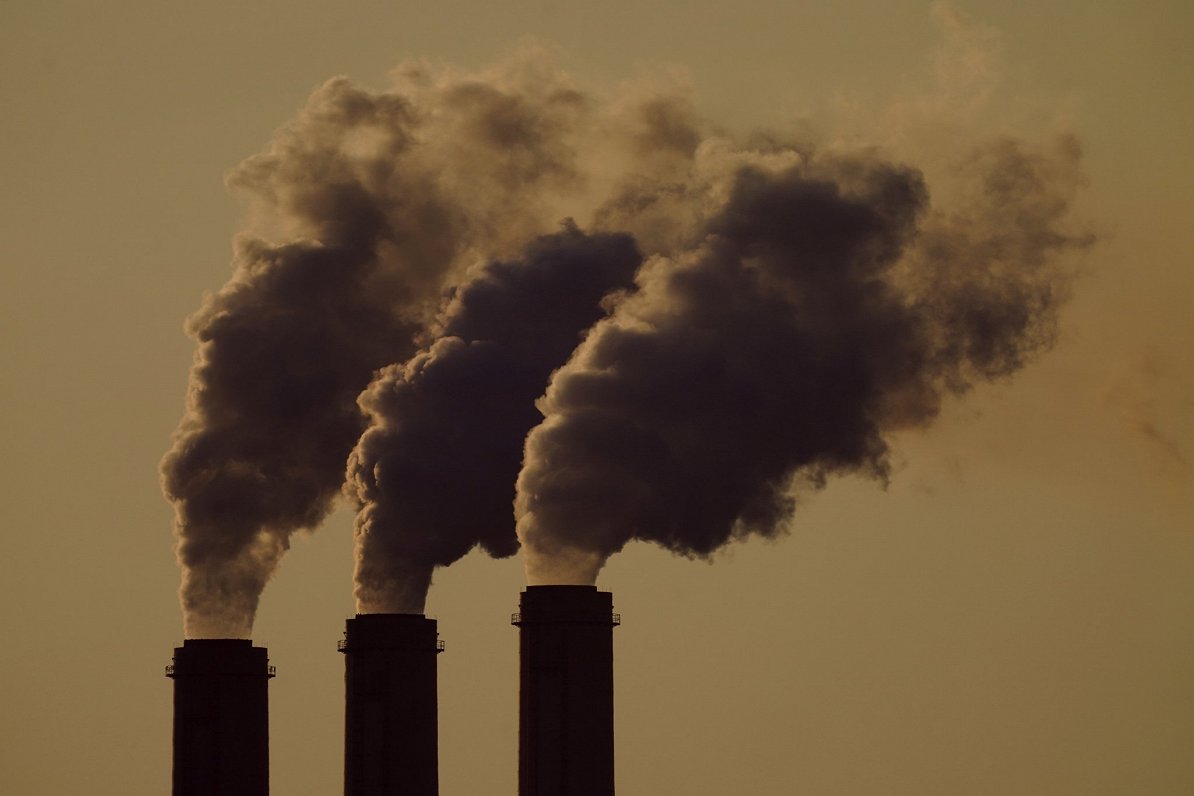
Human activity releases roughly 37 to 40 billion tonnes of carbon dioxide (CO2) into the atmosphere every year — a gas widely regarded as one of the main drivers of the greenhouse effect and, in turn, climate change. This was reported by the Latvian Radio programme "Zināmais nezināmajā".
Scientists and engineers around the world have no shortage of ideas for how this gas could be captured directly from the atmosphere and stored, preventing its further impact on the climate. Several researchers express hope that, in time, CO2 could even become a useful raw material or resource for other processes, rather than remaining simply a problematic waste product.
Cost remains the main barrier
For now, however, the real-world picture looks different. While concepts and ideas for capturing CO2 abound, practical, widely deployable solutions remain scarce. The main obstacle to broader adoption of existing technologies is their high cost — current CO2 capture solutions are expensive, which makes large-scale implementation difficult.
This means that although the technological potential for capturing carbon dioxide from the atmosphere exists, its practical and economically viable use on a large scale has not yet been achieved. Scientists continue searching for ways to make such technologies cheaper and more efficient, so that they might eventually become a genuine tool in the fight against climate change.


