Internal report: new NHS rules for trans people could cause delays and discrimination
An internal NHS England impact assessment warns that new guidance on single-sex hospital wards could cause delays and discrimination for trans people. It also notes positive effects for other groups.
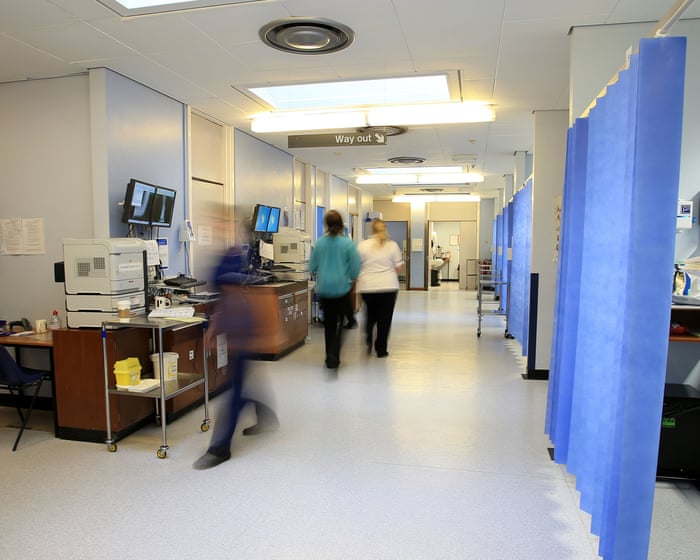
NHS England, the body running the health service in England, has produced an internal impact assessment warning that new guidance on single-sex spaces could harm trans people. The document, seen by The Guardian and reported on 18 October, says trans patients will no longer be able to use hospital wards matching their gender identity.
What the guidance says
NHS England published the guidance for hospital trusts on Thursday. It states that single-sex wards, toilets and changing rooms should be used according to biological sex rather than gender identity. Trans people should be accommodated in line with their biological sex, while their clinical needs are met and their privacy, dignity and safety are maintained.
The change follows a 2025 UK Supreme Court ruling that the terms “woman” and “sex” in the Equality Act refer only to a biological woman and biological sex, excluding trans women with gender recognition certificates. The updated code of practice from the Equality and Human Rights Commission (EHRC) says trans people are likely to be disadvantaged by this compared with people who are not trans.
Findings of the assessment
The assessment looked at all protected characteristics, including age, disability and sex. It judged the focus on privacy, dignity and safety for men and women, and the legal accuracy of the guidance, to be positive. It also identified benefits for pregnant or breastfeeding women, people with certain religious beliefs and minority-ethnic groups.
For trans people, however, it listed several potential adverse impacts: delays and a greater risk of “corridor care” if side rooms are unavailable, and discrimination if they are “outed” as trans. It said some trans people could avoid healthcare altogether. Some women who do not present in line with general societal expectations could face questions about their sex.
The document suggests the harms could be reduced by always prioritising clinical need. It notes the policy does not apply in A&E or intensive care, and that placement decisions should be made case by case. NHS England declined to comment.

