Shopping centres evolve into multifunctional lifestyle hubs
Traditional shopping centres are increasingly turning into multifunctional complexes that combine retail with sports, leisure and coworking spaces. Daily grocery shopping still happens at local stores, while larger centres are becoming destinations for broader experiences.
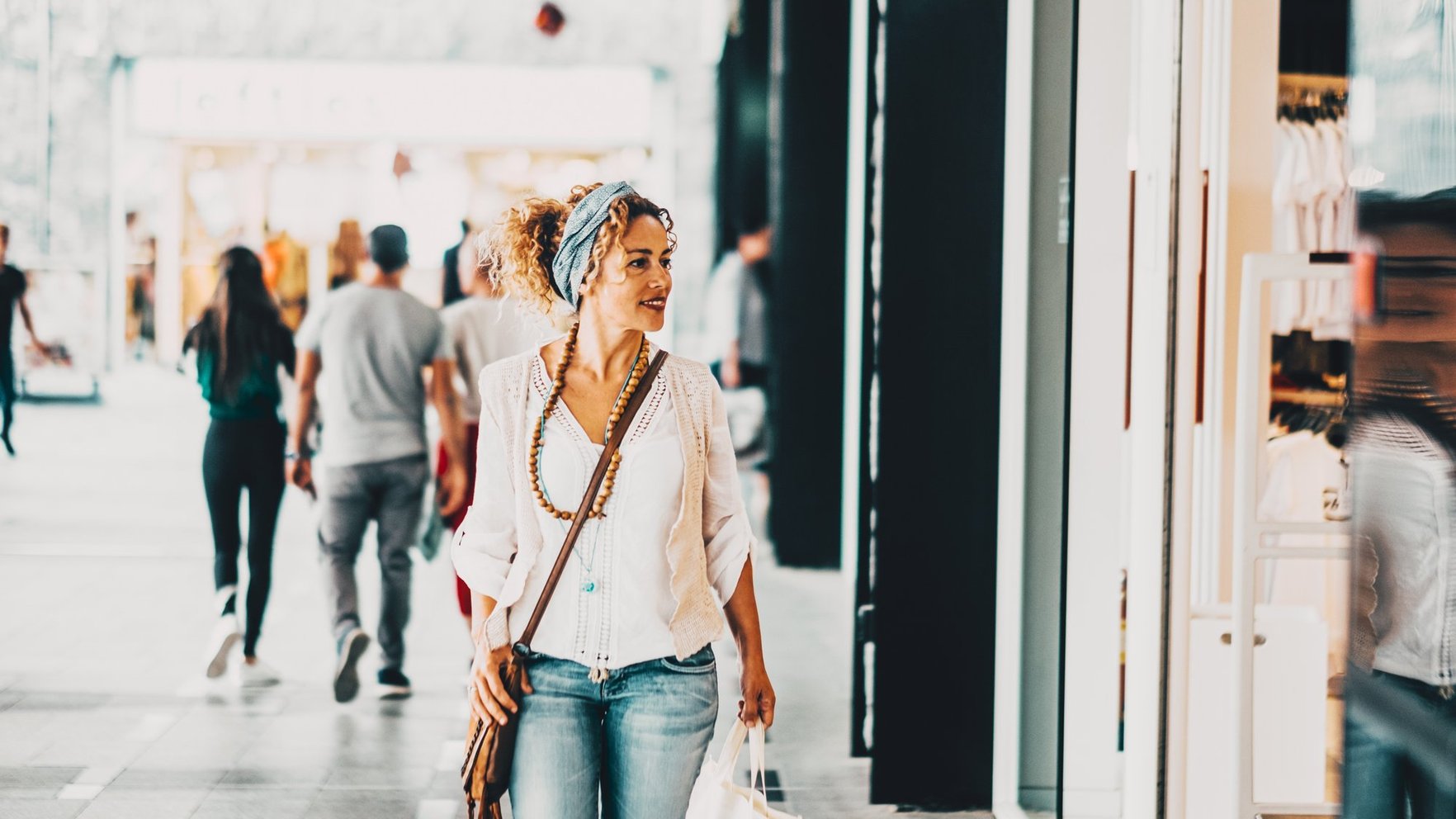
Shopping habits are shifting: people still go to neighbourhood stores for everyday items like groceries, while larger shopping centres are visited for a wider range of purchases, entertainment and active leisure. As a result, industry experts increasingly describe these venues not as traditional shopping centres but as multifunctional centres.
The mixed-use trend
Terms like "mixed use" and "multifunctionality" are becoming central to the retail sector. This approach, which combines different, mutually complementary functions, is no longer limited to individual shopping centres — it is also appearing in the development of city blocks, business complexes, and even within single service providers or stores.
An example from Tallinn
One of the most recent examples of this trend in the region is the T1 shopping centre in Tallinn, where since July visitors have been able to try out the "The Club" lifestyle concept. It brings together a large sports club, spa facilities and coworking spaces in one place.
Why the industry is changing
The digital age presents new challenges for the retail and shopping centre sector, including competition from online shopping and shifting consumer habits. To attract and retain visitors, businesses are looking for ways to turn centres into places offering not just shopping but a broader experience and lifestyle elements. Industry experts note that this shift toward experience-based, multifunctional solutions is expected to continue in the near future.

/nginx/o/2025/04/08/16762951t1ha8c1.jpg)
