Estonia Approves New Tram Line for Tallinn's Pelguranna District
Estonian Infrastructure Minister Kuldar Leis has approved the revised Pelguranna tram project in Tallinn. Construction is due to finish in 2029, with part of the cost covered by EU funding.
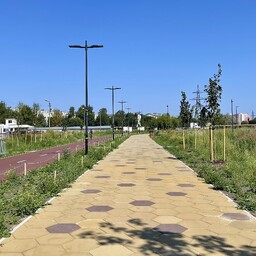
Estonian Infrastructure Minister Kuldar Leis has signed off on the revised Pelguranna tram line project in Tallinn, the country's capital, clearing the way for the city to proceed with construction. The line is due to be finished in 2029 and is intended to give the Põhja-Tallinn district an alternative to travelling by private car.
Cost and funding
The project is estimated at €27.9 million. Up to €19.5 million would come from the European Regional Development Fund, according to the Ministry of Climate.
The state first assessed the original plan in 2024. Tallinn then altered the route, so the state had to review the whole project again. The evaluation committee approved it and found that it meets the funding requirements.
The minister's reasoning
Leis acknowledged that the earlier route would have served more residents. However, an expert assessment confirmed that building the line is justified given the area's long-term development. He said it is now up to Tallinn to move the project swiftly from design to construction and finish it by the end of 2029.
The route
About 1.9 kilometres long, the line will be a branch of the existing Kopli tram line. It will split off near the Krulli stop, cross the Kopli freight yard and the Ristiku tänav viaduct, then follow the Pollinator Highway (Putukaväil) across Sõle tänav to Kolde puiestee. It will finish at a planned turning loop around the property at Puhangu tänav 45, with a terminus on Kolde puiestee.
Requirements for the city
As design work continues, Tallinn must pay particular attention to accessible stops. It must also preserve the green spaces and recreational areas along the Pollinator Highway, or reduce the project's impact on them.
Under the city's approved schedule, the line will be completed in October 2029. To qualify for EU funding, the project must be finished by the end of that year.