New Estonian party Generations aims to represent older voters
A new party called Generations (Põlvkonnad) held its founding meeting in Estonia on Saturday. It hopes to gather the 500 members needed for registration by the end of November and run in the March Riigikogu elections.
A new political party called Generations (Põlvkonnad) held its founding meeting in Estonia on Saturday. The party aims to represent the interests of older people and wants to run in the March elections to the Riigikogu, Estonia's parliament. Registration requires 500 members, while the party currently has 50. It hopes to reach the required number by the end of November.
How the idea emerged
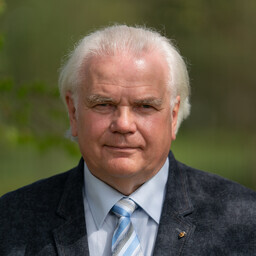
Ago Kokser, one of the party's leaders, says the idea arose after the Estonian Union of Pensioners' Associations went several years without state operating subsidies, steadily draining its resources. Rather than disband, its members decided to found a political party.
After Saturday evening's meeting the news spread, and the party now has a website where people can sign up. By Sunday it had 50 members.
Platform and target audience
The party has not yet defined its ideology or decided whether it will place itself on the left or right of the political spectrum. Kokser says it wants everyone to live well and the needs of both young and old residents to be considered. It seeks more support for large families and for older people, as well as opportunities for them to take part in community activities and discussions.
Despite its roots in the pensioners' movement, the party does not intend to focus only on older voters. Kokser says everyone is welcome, which is why it chose the name Generations. It also plans to address young families, including their finances, starting adult life and the quality of schooling. He criticized existing parties for making promises and later reversing them.
Funding and expectations
The party has no financial backers and relies entirely on volunteers. It lacks money for large billboards or major online campaigns, but has social media and personal networks. Kokser declined to predict how many seats it might win if it registers in time. He said expectations for a first election are modest, but simply entering the Riigikogu would be a major step. He did not name any prominent members, saying such names will come.