Estonia launches open database of deceased residents
Estonia's Interior Ministry has opened a public database listing deceased residents to ease verification work for institutions and provide a new resource for historians and genealogists. Death records appear seven days after registration so relatives are not the first to learn of a death through the database.
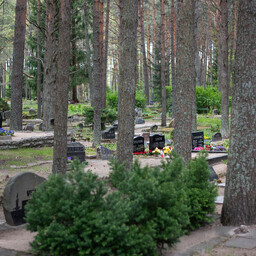
Estonia has launched an open database containing information about deceased residents, intended to serve both institutions and researchers. The news was reported Saturday, September 26, by the ETV+ news program "Aktuaalne Kaamera".
According to the Interior Ministry, institutions that regularly need to verify death records previously had to submit their own lists to the population register and request confirmation. Now they can check this information themselves through the new open database.
Enel Pungas, head of the ministry's population registration department, said such organizations could include credit institutions, companies, and church parishes that maintain lists of their members.
Value for genealogists
Researchers are already making use of the new resource. Historian and genealogist Fred Puss notes that determining an exact date of death became significantly harder after the 1940s. He said the published data could help, in particular, with tracing family histories and studying the history of Estonian surnames.
Puss also uses the database in research at the Institute of the Estonian Language. For instance, the death date of the last bearer of a particular surname can help establish when that surname fell out of use.
Data protection considerations
Publishing data on deceased persons required additional assessment from a data protection standpoint. Geili Keppi, a lawyer at the Data Protection Inspectorate, notes that legislation in certain cases allows processing of a deceased person's data without relatives' consent, but open publication of such information requires a separate impact assessment.
The Interior Ministry says such an assessment was conducted before publication and led to changes in the original approach. Specifically, death records are not published immediately — seven days pass between the registration of a death and its appearance in the open database. According to Pungas, this is meant to prevent a situation where a relative first learns of a loved one's death through the open database itself.