Estonia cuts waterway fees by up to 25% for cleaner ships
Estonia's parliament has amended the Maritime Safety Act to give lower-emission vessels waterway fee discounts of up to 25% from 2027. Cruise ships will face higher charges from 2028.
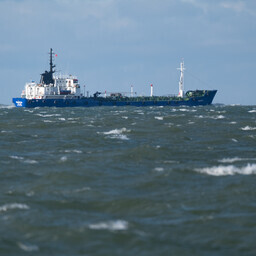
Estonia's parliament, the Riigikogu, has passed amendments to the Maritime Safety Act that link waterway fees to a ship's environmental performance. Vessels with above-average environmental ratings will pay up to 25% less than the standard rate when calling at Estonian ports or anchorages. The changes take effect at the start of 2027.
Bunkering and cruise ship changes
The law also ends a long-standing exemption for fossil fuel bunkering at offshore anchorages. Bunkering is the transfer of marine fuel or engine lubricants to a vessel, and the exemption is being scrapped because of the risk of marine pollution. Operators refuelling ships with fossil fuels at anchorages will pay 50% of the standard fee in 2027 and the full rate from 2028. Vessels bunkering with non-fossil fuels will stay exempt.
Cruise ships will face higher charges from 2028. According to the Ministry of Climate, cruise operators currently pay a unit rate about 2.5 to three times lower than other commercial vessels. Both that rate and the per-visit fee cap for cruise ships remain unchanged through 2027.
Waterway fees are charged each time a ship enters an Estonian port or anchorage. They fund navigation infrastructure, icebreaking and maritime safety services.
Minister's explanation
Infrastructure Minister Kuldar Leis (Reform Party) said the new structure is meant to offset costs for cleaner operators as shipping joins the EU Emissions Trading System, while keeping Estonian ports competitive. He said lower charges give owners of greener ships another reason to choose Estonian ports.
Estonia had previously cut waterway fees temporarily, including a 15% reduction, to support maritime operators after the loss of Russian transit cargo. The Port of Tallinn competes closely with terminals in neighbouring Latvia and Lithuania, where fees are lower.