Estonia won its battle against fentanyl, but a bigger fight has begun
Estonia, the first country in the world to face a fentanyl epidemic more than 20 years ago, cut overdose deaths sharply through new laws and expanded addiction support, but is now confronting new synthetic drugs.
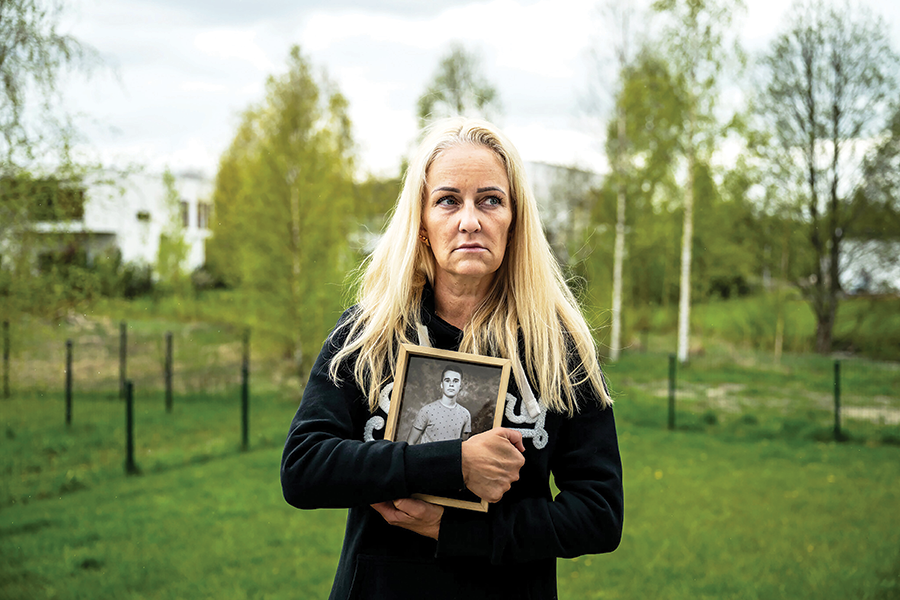
Around 2002, Estonia experienced something the world had not seen before: a wave of deaths linked to the powerful synthetic opioid fentanyl. At a time when the drug was still largely unknown elsewhere, Estonia already recorded the highest rate of fatal overdoses in Europe.
A national response
In response to the crisis, Estonian authorities introduced new legislation, stepped up efforts against organized crime networks involved in drug trafficking, and expanded support and treatment services for people struggling with addiction.
Results and cautious hope
These measures produced measurable results. The fentanyl crisis gradually eased, and by 2018 the number of deaths linked to overdoses of the drug had fallen by more than 70 percent.
The progress led some Estonian officials to cautiously hope the country might eliminate synthetic opioids altogether. That optimism, however, proved premature — as fentanyl receded, new synthetic drugs began to take its place, presenting Estonia with a fresh battle against addiction.