Estonian parents sue to push school start time to 9 a.m.
Parents at a school near Tartu, Estonia have filed the country's first lawsuit over early school start times, after the school kept its 8 a.m. schedule despite a new government rule requiring classes to begin at 9.
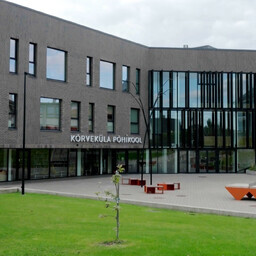
Estonia is seeing its first court case over early school start times, as parents of children at Kõrveküla Basic School near Tartu take on the local municipality, which has refused to change the school day schedule.
Starting this school year, Estonian law requires classes to begin at 9 a.m., a rule based partly on research into how sleep affects children's health and academic performance. In practice, however, more than half of schools have not changed their start times. A survey by the Estonian association of school leaders, covering 122 schools, found that 54.5% kept their previous schedule, only 31 schools now start at 9, and 74 schools start at 8:30 or earlier. In Tallinn, 36 of 61 municipal schools start before 9; in Tartu, 10 of 23; in Pärnu, 13 of 14.
The issue has become especially contentious at Kõrveküla Basic School, which has more than 700 students and chose to keep its 8 a.m. start using an exception allowed under the government regulation. In response, 142 parents signed a petition, and 18 of the most active among them filed suit in administrative court. The substantive hearing is set to begin in November.
According to the Ministry of Education and Research, later start times consistently correlate with longer sleep duration for students, a finding the ministry says is well supported by research. Officials note that adequate sleep helps prevent physical and mental health problems and supports academic performance and physical activity. Parents argue the effect is especially pronounced in teenagers, whose natural circadian rhythm calls for falling asleep later and sleeping longer in the morning.
Transport constraints
The school and municipality counter that a later start means a later finish, making it harder for children to reach sports practices, music school, and other activities on time. A deputy municipal elder said the area's dispersed population means bus routes are tied to a transport hub and residents' work schedules, leaving no simple fix. Reorganizing the transport system, the municipality estimates, would cost more than half a million euros.
While the court case begins in November, Tartu municipality has already signaled that Kõrveküla school could switch to a 9 a.m. start as early as next school year.