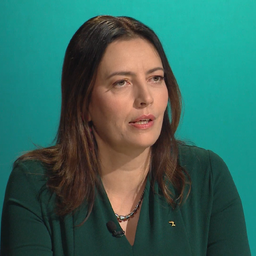
Estonian small business group opposes expanded occupational health service
An expert from the Estonian Association of Small and Medium-sized Enterprises criticises a proposal by occupational health providers to expand mandatory occupational health. She argues it would guarantee revenue for a few large firms while adding costs for employers.
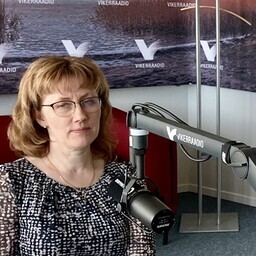
A debate is under way in Estonia over how occupational health should develop through 2035. The Ministry of Social Affairs is drafting development directions and openly acknowledges problems: service quality is uneven or often unsatisfactory, health checks do not reflect real risks, and outside major cities occupational health doctors are hard to find and the service is very expensive. Ille Nakurt-Murumaa, an expert in the field who represents the Estonian Association of Small and Medium-sized Enterprises, has now set out her position on the issue.
The industry proposal and the objections
The Estonian Association of Occupational Health Service Providers (ETTOL), which campaigns for mandatory occupational health and a broader scope for it, proposes turning it into an extended primary healthcare service. It would assess workers' general health and other public health risks. Employers would have to pay even more for it, or the Health Insurance Fund would have to cover part of the cost.
ETTOL says the working group reached this idea by consensus. Nakurt-Murumaa denies this, saying no such consensus ever existed and that it is purely a commercial wish of ETTOL members.
Her arguments
She notes that about 80% of the market is controlled by two major providers, while occupational health doctors are few. According to the Ministry of Social Affairs, Estonia had 68 occupational health doctors in 2025, 28 of them over 65. This year two residency places were allocated for training specialists in the field.
In her view, general health should be monitored by family doctors, while mandatory checks should be tied to risk factors such as noise, chemicals or night work. She says an occupational health doctor should be a specialist who advises family doctors. Before introducing new obligations, she argues, the state should calculate what they would cost businesses and the Health Insurance Fund.