Estonia's Riigikogu Begins Debating 2027 State Budget: Coalition Calls It Optimal, Opposition Wants It Redone
Estonia's parliament, the Riigikogu, has started the first reading of the 2027 state budget, but so many questions were raised that the scheduled time ran out. The coalition considers the budget optimal, while the opposition demands a complete overhaul.
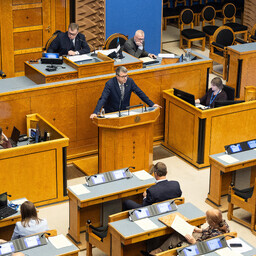
The Riigikogu, Estonia's parliament, has begun the first reading of the state budget for 2027. The reading was not completed: lawmakers had so many questions that the scheduled time ran out. According to the Estonian public broadcaster's programme "Aktuaalne kaamera", the governing coalition regards the budget as optimal, while the opposition insists it should be fully reworked. The reading will continue on Wednesday, 21 October.
The coalition's view
Anneli Ackermann of the Reform Party, who chairs the Riigikogu's finance committee, says the funds have been allocated as efficiently as possible. Defence spending will exceed 5% of gross domestic product (GDP) next year, reaching 2.3 billion euros, within a total budget of 21 billion euros. Social spending makes up nearly half of all tax revenue, and most of it goes to pensions.
Ackermann also said the coalition had met the opposition halfway by allocating extra money for special care services. An appeal to that effect was earlier signed by 31 members of parliament. Riina Sikkut of the Social Democratic Party noted that 7.5 million euros from the state reserve is earmarked for the social sector, that the Ministry of Social Affairs had requested 21 million euros, and that the lawmakers' appeal mentions 30 million.
The opposition's criticism
The budget deficit stands at 4% of GDP. Andrei Korobeinik of the Centre Party said the national debt is at a record high: about 360 million euros will go on interest payments next year, and the figure will nearly double within four years. He called for abolishing tax breaks for the wealthy, introducing a progressive income tax and a windfall tax on banks, and cutting VAT on food.
Martin Helme, chairman of the EKRE party, believes spending could be cut by more than a billion euros, including on Rail Baltica, wind farm subsidies and non-governmental organisations. Helir-Valdor Seeder, head of the Isamaa parliamentary group, called the budget non-transparent.
The Social Democrats have said they will vote in favour of sending the bill to a second reading, for which they can prepare their own amendments.