Estonian food bank receives 43,776 cans of wild boar meat from the state
The Estonian state this week handed 43,776 cans of wild boar meat to the Tallinn Food Bank for distribution to people in need. The meat comes from boar culled to contain African swine fever.
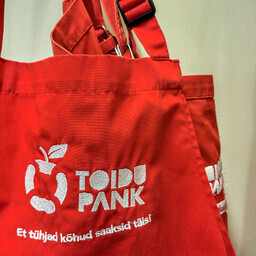
The Estonian state this week handed over 43,776 cans of wild boar meat to the Tallinn Food Bank (Toidupank), to be distributed to people in need, according to the outlet Maaleht. The meat comes from wild boar that were culled to stop the spread of African swine fever (ASF) in Estonia.
The cans, amounting to 19 pallets, were delivered by Hendrik Johannes Terras (Eesti 200), Estonia's Minister of Regional Affairs and Agriculture. More than 625,000 cans were produced in total. The remainder has been allocated, or is being allocated, to the State Defense Investment Center, the Estonian Large Families Association and local government welfare institutions across the country.
The Ministry of Regional Affairs and Agriculture organized two procurements for the canned meat: one worth €1.7 million in 2025 and a second worth €959,000. The cans contain 80 percent meat and will be handed out by social workers.
More flexible planning of food parcels
Toidupank CEO Piet Boerefijn and project manager Kerttu Olõkainen said the cans allow much greater flexibility in planning food parcels, since the parcels do not have to be packed as quickly. The cans can be stored for up to a couple of years.
To keep aid steady, the food bank must hold reserves and, when necessary, buy basic foodstuffs. Around 4,000 parcels weighing 7–12 kilograms are needed each week, and their contents depend on donations and food rescued from going to waste. Boerefijn explained that a parcel is not meant to feed a family of four for a week, but to help them cut food costs and spend the savings on other necessities, such as winter clothes or school supplies.
Beyond regular aid, Toidupank has built a nationwide network that could supply up to 10,000 crisis aid parcels, pending agreements with the state and local governments.
Background: the ASF outbreak
Last year ASF reached epidemic proportions in Estonia, with 11 outbreaks on pig farms. Around 60,000 domestic pigs and close to 17,000 wild boar were culled. The outbreak led to the closure of several meat businesses and caused estimated economic damage of €22 million.