Estonian PM slams US-Russia diesel deal: deals with dictators are the 'road to hell'
Estonian Prime Minister Kristen Michal has sharply criticized US President Donald Trump's agreement with Russia on supplying diesel to the world market. The chair of the Estonian parliament's foreign affairs committee also says the deal eases pressure on Moscow.
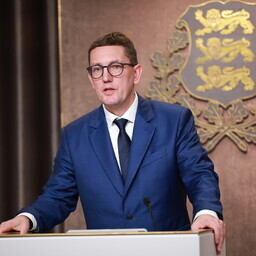
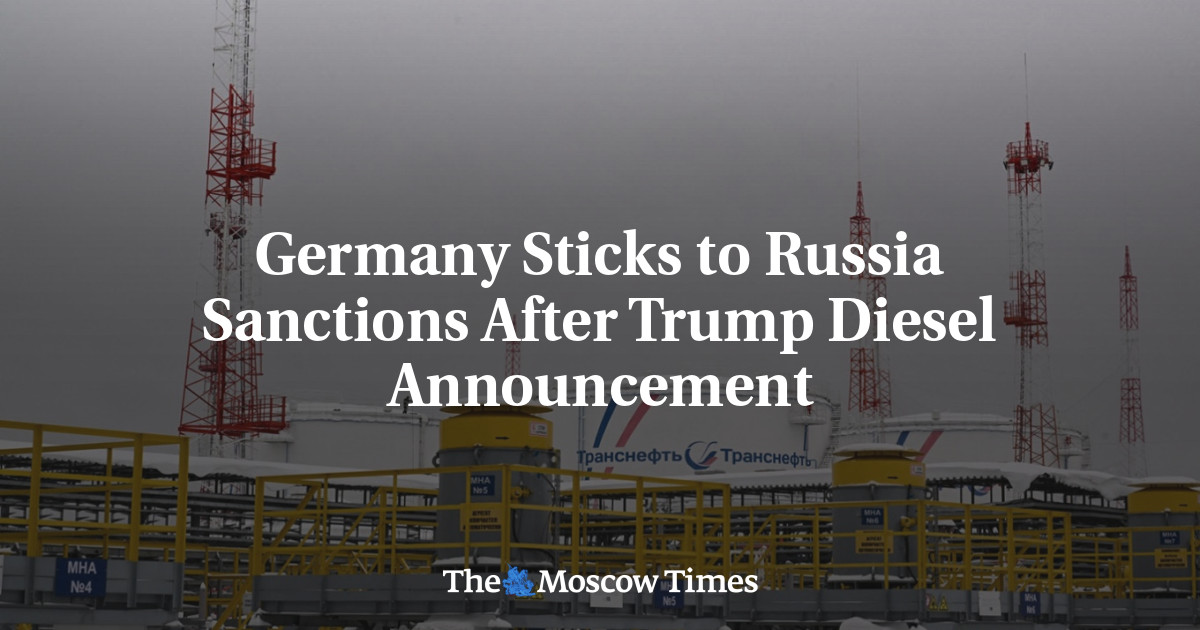
Estonian Prime Minister Kristen Michal has sharply criticized the United States' decision to strike a deal with Russia on diesel supplies to the world market. The Trump administration issued a temporary licence allowing Russian diesel to be sold on global markets until April 7 next year. On Friday, US President Donald Trump said Russia had agreed to deliver 300,000 tonnes immediately, with more to follow. He said the step was needed to bring down fuel prices, which have climbed sharply since Iran closed the Strait of Hormuz. US midterm elections to Congress are due next month.
The prime minister's view
In a social media post, Michal called the move a major miscalculation, saying deals with dictators are the road to hell. He argued that innocent people are being killed for gas and fuel money, and that the hoped-for fuel will very likely not arrive. In his view, the agreement runs counter to the West's long-standing efforts to restrict the flow of energy revenue to Vladimir Putin. The US had until now persuaded its allies to give up Russian fuel, and Estonia has done so, he said. The prime minister maintained that cutting Russia off from money is the right course and must continue. He added that Estonia and next week's European Council should discuss whether more can quickly be done to help Ukraine destroy Russia's oil refineries.
A lawmaker's warning
Marko Mihkelson of the Reform Party, who chairs the Riigikogu (Estonian parliament) Foreign Affairs Committee, believes the midterms prompted Trump's decision, but that Russia will take encouragement from it to continue its war in Ukraine. He called the hope of lowering US diesel prices with Russian help short-sighted and strategically costly. Mihkelson noted that the Graham sanctions bill approved in Congress would let the president raise economic pressure on Russia, yet the White House is instead easing pressure and demanding that Ukraine stop attacking refineries. If it is true that Washington also threatened to stop sharing intelligence with Kyiv, he said, Moscow receives a signal that the US will not stand in the way. He stressed that Trump's attempts to end the war through negotiations have produced no results and that the fighting is bloodier than at any point since the full-scale invasion began.