Estonian president: closing the Russian border must not be an emotional decision
Estonian President Ülle Madise says any decision to close the border with Russia should rest on an analysis of economic, humanitarian, diplomatic and security consequences. She argues tourism and shopping trips for cheap goods must end, while diplomatic and humanitarian travel should remain possible.
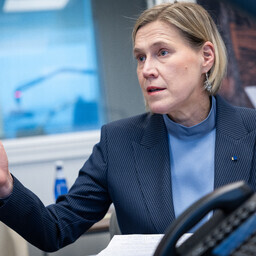
Estonian President Ülle Madise has said that a decision on closing the country's border with Russia must not be driven by emotion. In her view, it should be based on an analysis of the economic, humanitarian, diplomatic and security implications. The government is currently discussing whether to close road border crossings on Estonia's eastern border.
Madise acknowledged that public outrage over the enemy's actions is understandable, but said responsible statesmanship requires a clear head. She said she hopes the analysis will be completed, that she will be able to read it, and that the decision will be made on that basis.
Attacks would have happened despite closed borders
Asked why Estonia had not closed its border earlier, as Finland did, the president replied that circumstances were different and that an open border had been very beneficial to Estonia. She said closing it would not have prevented the recent attacks on Estonian companies, citing the attack on Milrem and the recent attempted attacks on Threod. Madise thanked the Police and Border Guard Board, the Internal Security Service, the Prosecutor's Office and Latvian partners, saying the perpetrators were identified quickly.
She added that the government must weigh information the public may not fully know, including the recruitment of people during border crossings. The president sees no reason to interfere in other countries' border policies or to reinstate controls on Estonia's southern border. Asked whether she had questioned the Latvian president about why Latvia had not closed its eastern border, she answered: "Of course not."
Tourism should stop, humanitarian travel should stay
Madise noted that Poland also keeps its crossings open, and that diplomats and people with elderly parents or children on the other side of the border need to be able to travel. At the same time, she stressed that tourism and shopping trips should have ended long ago, and did not rule out further restrictions on non-essential travel.
On the future of the border city of Narva, the president urged calm. According to Frontex Deputy Executive Director Uku Sarekanno, 60 staff of the European Border and Coast Guard Agency and their families are staying in Narva and Narva-Jõesuu.