Estonian MPs propose annual aid to Ukraine of at least 0.25% of GDP
Sixty-seven members of Estonia's Riigikogu have submitted a draft declaration calling for annual military and financial support to Ukraine of at least 0.25% of GDP. The foreign affairs committee will review it on September 17.

Marko Mihkelson, chairman of the Riigikogu's Foreign Affairs Committee and member of the Reform Party, has submitted on behalf of 67 fellow lawmakers a draft declaration titled "For Ukraine's Victory and Ensuring Europe's Security." The document still needs to be debated and put to a vote; the committee will first consider it at a meeting on September 17.
The draft states that Ukraine's victory and Russia's strategic defeat are a necessary condition for achieving lasting and just peace and security in Europe. The lawmakers call on allies to prioritize supplying Ukraine with air defense systems and missiles, ensure steady and predictable deliveries of military equipment, and prepare critical reserves ahead of the coming winter.
Funding target and arms production
A separate proposal calls for allocating at least 0.25% of gross domestic product to Ukraine annually in the form of multi-year, predictable military and financial support. The draft also urges expanding weapons production, transferring technology, and deepening cooperation in defense manufacturing. It further calls for strengthening support for Ukrainian intelligence, surveillance and early-warning systems, including through satellite imagery sharing, and accelerating investment in drone production and counter-drone capabilities.
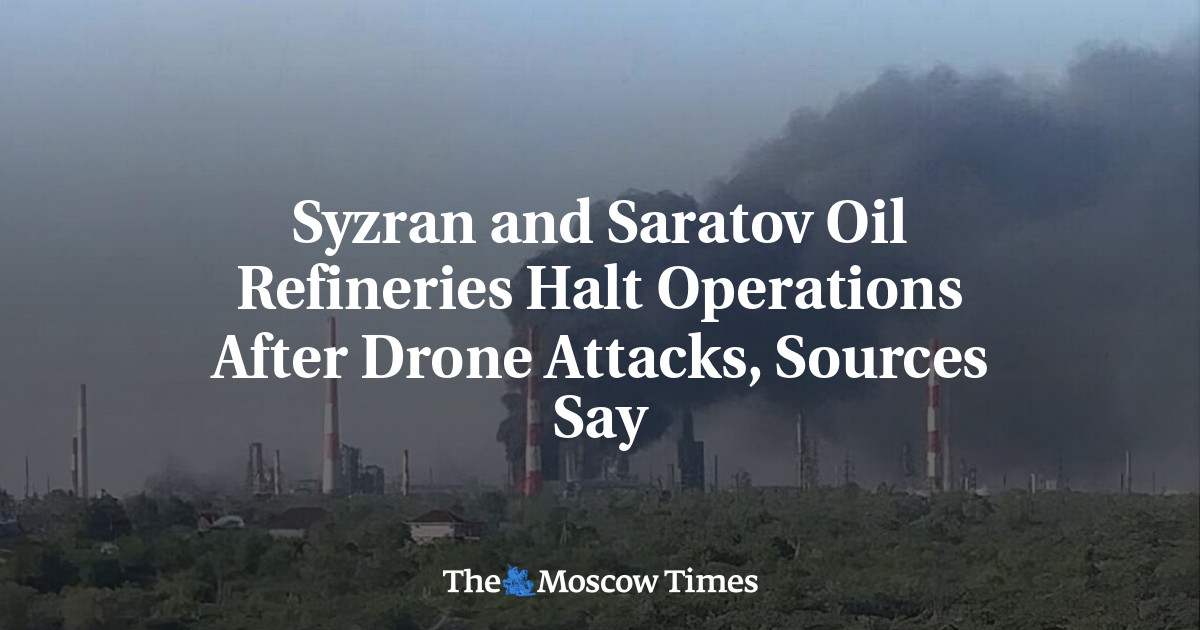
On the economic front, the document calls for increasing pressure on Russia, restricting its access to technology, and cutting its energy export revenues, along with more effective enforcement of sanctions and accountability for those who violate them.
The draft separately condemns Russia's planned September 20 State Duma elections in the temporarily occupied Ukrainian territories, proposing that Estonia refuse to recognize the results or treat the resulting Duma as a legitimate representative body. The document also reaffirms support for Ukraine's accession to NATO and the European Union, while stressing the importance of continued reforms, stronger democratic institutions, anti-corruption efforts, and respect for opposition rights and political pluralism. Another point calls for establishing a special international tribunal on the crime of aggression against Ukraine and mechanisms to compensate for damage caused by the war.