Estonian pupils 'time travel' to the 1936 Berlin Olympics
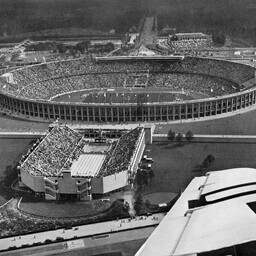
For nearly a decade Estonian schools have used the Time Travel teaching method, and this year's theme is sport for the first time — the 1936 Berlin Olympics. Organizers say the goal is to recreate the era's atmosphere without glorifying the Nazi regime.
For close to ten years, Estonian schools have applied the Time Travel method, an educational approach that lets pupils experience history rather than simply read about it. The method originated in Sweden in the 1980s, and in Estonia the projects are coordinated by the Estonian National Museum in Tartu together with the national association of history and civics teachers.
Past themes have covered the 1918 declaration of Estonian independence, the first national song festival in 1869, the 1343 St George's Night Uprising, and the 1944 flight of refugees during the second Soviet occupation. This year, for the first time, the chosen theme is sport — the "medal-rich" 1936 Berlin Olympics. The idea originated in the Pärnu County town of Kilingi-Nõmme, with expert support from the Estonian Sports and Olympic Museum.
The Berlin Games remain Estonia's most successful Olympics ever, yielding seven medals, but they also served as an international stage for Nazi propaganda. Pille Rohtla, a history teacher at the Audentes Sports School in Tallinn and the project's coordinator, said the aim is to recreate the period's atmosphere as accurately as possible while avoiding any glorification of the regime, instead prompting pupils to reflect on what they themselves would have thought and done at the time.
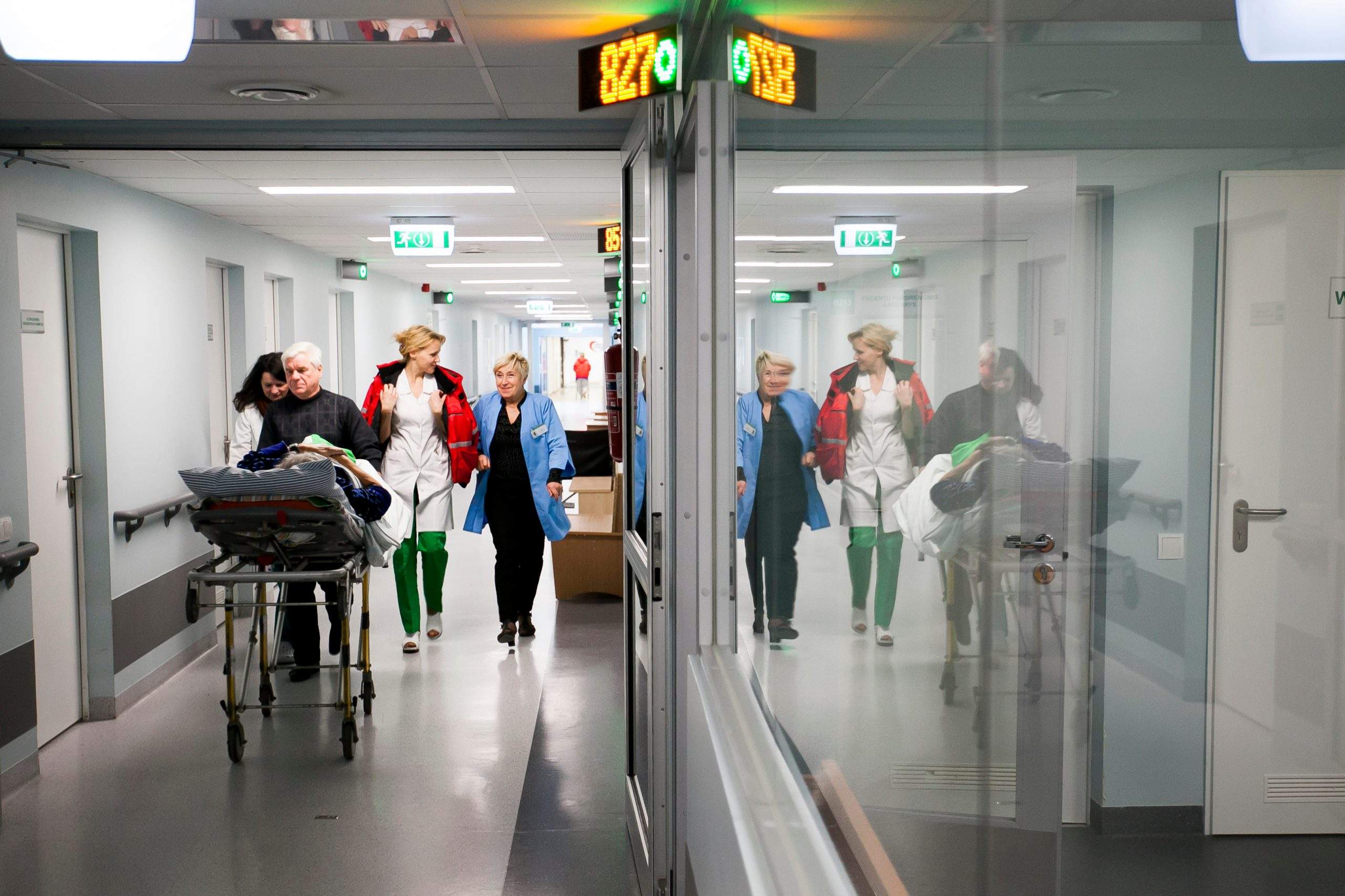
According to Rohtla, students take on the roles of talented young athletes from across Estonia invited to Tallinn for a day of practical and theoretical training. In Tartu, the Mart Reiniku School combined the event with its own school Olympics, while on Saaremaa students "met" the 1936 wrestling heroes, portrayed by present-day athletes Heiki Nabi and Helary Mägisalu.
Rohtla explained that pupils are never told in advance what is wrong or problematic — they must recognize it themselves through the experience. She noted that teachers' concerns the project might turn into caricature of Hitler have not materialized in any of the sessions held so far. The theme for next year's project has not yet been decided.