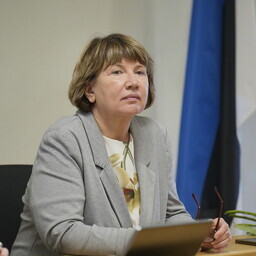
Estonian justice chancellor: A single test should not decide a student's school
Estonia's chancellor of justice and children's ombudsman Ülle Madise warns that fierce competition for upper secondary school places is putting excessive pressure on basic school graduates. She is calling for a broader public debate on the current admissions system.
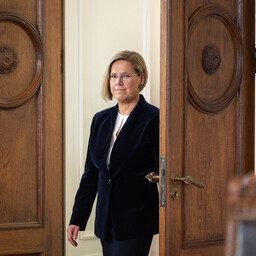
Estonia's Chancellor of Justice and Children's Ombudsman Ülle Madise has said that intense competition for places in upper secondary schools is taking a serious toll on the well-being of basic school graduates. She noted that many young people still do not know which school they will attend even as September begins, while those who secured a place over the summer faced difficult new admission requirements.
Madise said she would not want to be a basic school graduate right now — nor a minister, teacher or parent — given how difficult the situation has become.
Survey reveals wider concerns
The Chancellor of Justice's Office has received numerous inquiries about the new admissions procedure. Its children's advisory council, together with the Estonian Union for Child Welfare, surveyed more than 3,000 young people. The survey found that many students had given up favorite activities during basic school, including music lessons, sports practice and time with friends, negatively affecting their well-being. The intense competition and pressure leave young people feeling as though a single failure could ruin their entire future.
Calls for broader debate
Madise agreed with Education Minister Kristina Kallas that a wider public discussion is needed on whether to continue with the current system. In her office's view, young people need more freedom and a stronger sense of security, which would not hinder learning but rather support it. She expressed hope that the ministry will also consider proposals from the Federation of Estonian Student Unions.
Madise also pointed to educational stratification as part of the problem, noting the enormous competition for places at the best upper secondary schools, even though a good education can be obtained without going through such an ordeal. She recommended that the public read the Estonian Human Development Report and reflect on the future of Estonian society. She stressed that no young person should lose opportunities to develop their talents because of a single test, their family's financial situation, or where they happen to live.