Estonian officer: Russia's summer offensive largely reduced to local clashes
Estonian Defence Forces Lieutenant Colonel Mattias Puusepp says Russia loses more soldiers each month than it can recruit, meaning the expected large-scale summer offensive in Ukraine mostly failed to materialise. The front line remains stable with activity unchanged from the previous week.

Estonian Defence Forces Lieutenant Colonel Mattias Puusepp has said Russia is losing more soldiers each month in its war against Ukraine than it manages to recruit, a shortfall that is also shaping developments at the front. Instead of the expected large-scale summer offensive, fighting has mostly consisted of local clashes.
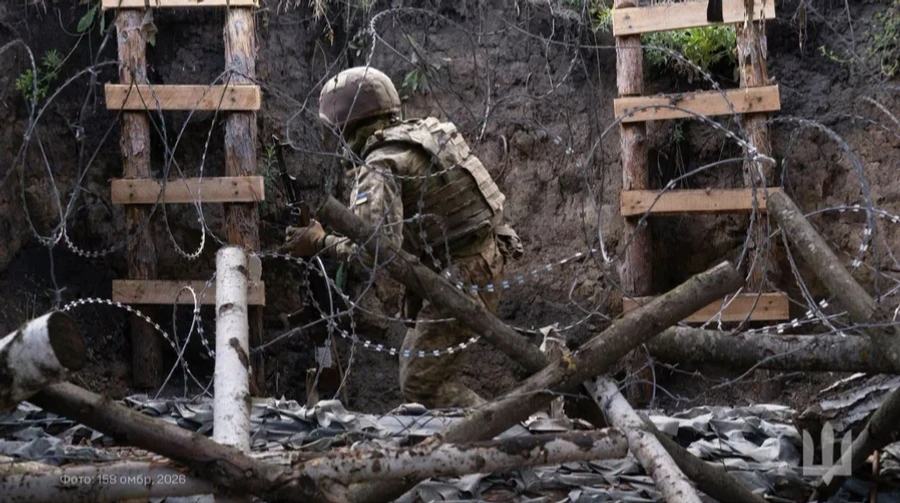
According to Puusepp, even modest Russian territorial gains still rely on Moscow's willingness to sacrifice thousands of troops for a single square kilometre. At the same time, Ukrainian forces have grown more effective at halting Russian advances.
Puusepp compared the situation to the same period last year, when Russia captured about 460 square kilometres in August while losing roughly 30,000 troops. This August, according to Ukrainian figures, Russia lost 42,000 troops but seized far less territory. He said this shows Ukraine's ability to repel attacks has improved over the past year, while Russia has failed to find an effective way to speed up its advance.
If Russia loses more than 40,000 troops a month while sending only about 30,000 new soldiers to the front in the same period, that produces a significant shortfall — one of the reasons behind the slowdown in Russian advances, he noted. Puusepp said it is not really possible to speak of a successful summer offensive: rather than the anticipated large-scale push, fighting has largely amounted to local engagements without significant operational gains for Russia.
Possible mobilisation
Should Russia's leadership decide to launch a general mobilisation, Ukrainian assessments suggest it would happen after Russia's State Duma elections, scheduled for September. Such a move could add more than half a million people to the army, though questions remain about their willingness and readiness to fight. Puusepp said mobilised personnel would likely be issued only minimal equipment and weapons, and forming effective new units from them seems doubtful; instead, they would probably be used to replenish losses in the most critical sections of the front, often with little or no training beforehand.
Puusepp added that the front-line situation remains stable, with only minor shifts in position in either direction. The war is now in its 236th week, with activity levels similar to the previous week — about 265 combat clashes per day. The main hotspots remain Kostiantynivka, Pokrovsk and Lyman in Donetsk region, as well as Huliaipole in Zaporizhzhia region. He also noted that Putin's statements about successes are aimed primarily at a domestic audience, intended to justify the losses of thousands of soldiers.