India: Online Content Restrictions Grow After 'Cockroach' Protests
Since youth-led protests in New Delhi in July, videos, a cartoon and independent journalists' accounts have been restricted on social media in India. The government denies censorship, while experts and rights groups warn of an opaque system.
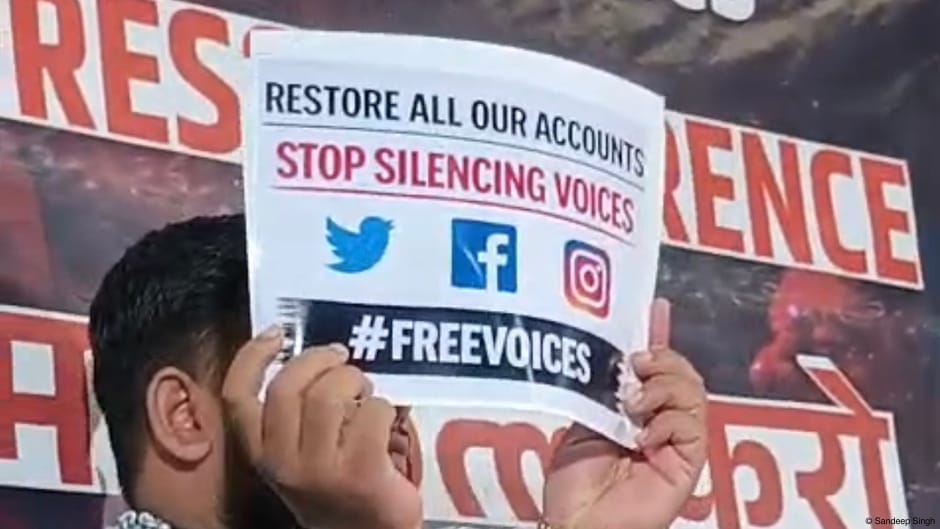
Several videos, a satirical cartoon and the accounts of independent journalists have recently been restricted on social media in India. The restrictions follow the youth-led Cockroach Janata Party (CJP) protests held in New Delhi in July. Content creators and rights experts say criticism of the government is being curbed, while the government denies any censorship.
Restricted content
Content creator CitySavitri, who has about 600 Instagram followers, said her video on the role of the Hindu nationalist Rashtriya Swayamsevak Sangh (RSS) in the 2014 election victory of the ruling Bharatiya Janata Party (BJP) was restricted within an hour of posting. Three of her videos have been restricted in total.
Independent journalist Sadhika Tiwari covered the July 20 protest, where police used batons and tear gas against demonstrators. Her video of a frightened girl crying and speaking about police brutality drew around 10 million views within hours, she said, before it was restricted in India. Cartoonist Satish Acharya's Instagram profile was recently blocked twice. In May 2025, during the India–Pakistan conflict, the X account of the news outlet Maktoob Media was withheld in India for several days without official notice.
How the system works
India's IT Rules of 2021, amended in February 2026, require platforms to remove specified unlawful content within three hours of a valid court order or a reasoned government notice. The earlier deadline was 36 hours. Intermediaries that fail to comply can lose their liability protection.
Technology law adviser Pranesh Prakash says authorized police officials can notify platforms about content without filing a formal complaint. The digital rights organization SFLC.in tested X by submitting a takedown request against its own post using a fake email address. X registered it and, after being alerted, introduced email verification codes.
Government position
Vinod Kumar, chief of media and communications at the Information Technology Ministry, wrote in an August email that the government does not censor online content and acts only against "objectionable content". Rights groups, including Human Rights Watch, warn that the restrictions could encourage self-censorship.