Indian women 'cockroach' protesters face online abuse and doxxing after joining movement
Young women who took part in India's anti-government protests say they have been subjected to rape threats, doctored images and harassment online, with some forced to delete their posts. Four women told the BBC about the abuse they experienced.
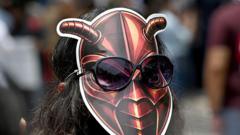
A youth-led movement in India known as the Cockroach Janta Party (CJP) helped secure the resignation of the country's education minister. The movement relied heavily on social media, with thousands of young people posting memes and satirical videos mocking Prime Minister Narendra Modi during one of the largest anti-government demonstrations in years. But many women behind those posts say they have paid a heavy price for speaking out.
On 20 July, police used tear gas and baton charges to stop protesters marching to parliament. Delhi police said 60 protesters and 118 police personnel were injured that day, while the CJP claimed the number of injured protesters was significantly higher than the official count.
Since the protests ended, police have opened criminal cases against some protesters. However, many women say another reckoning played out online. The BBC spoke to four women and reviewed screenshots of abusive messages and posts they shared. They described rape threats, doctored images spreading on social media, and strangers trawling through their photos and videos. Some cases spilled into TV debates and police complaints; many more unfolded quietly as women deleted posts, locked accounts and stopped answering calls from unknown numbers.
A content creator in her mid-20s said she was slut-shamed after sharing first-person accounts from the protest and helping organise food, aid and volunteers. She said she had lost count of the messages she had deleted and people she had blocked. She noted that women in India grow up with fear, and that fear follows them when they have a voice online.
A 20-year-old college student said her video, filmed as a "fit check" before the protest, was later shown on a national TV channel. Her face began appearing in posts claiming protesters were being identified by police, and someone found out which college she attended. She received anonymous messages with degrading names, sexual remarks and threats, including "Your turn will come." Relatives called her parents, urging them to make her delete her videos. She later removed or archived almost all her protest posts, saying she worried more about what could happen to her parents than to herself.
A student activist from a religious minority said an Instagram page edited a photograph to make it appear she was kissing a man to shame her, while another labelled her an anti-national and a terrorist. She was also called "hijra" as an insult and dismissed as a paid protester. Her father, a journalist, panicked and said that once people saw her Muslim name, nothing else would matter. She said her parents have watched other Muslim activists investigated and arrested, and fear the same could happen to her. She said she still believes she was right to attend the protest, but now understands the cost much better.
A student from West Bengal helped organise supplies and launched an Instagram fundraiser with a friend. After police started detaining protesters in her state, she said hateful comments began appearing on her fundraiser post, and she was called a prostitute in private messages. She eventually deleted the post, changed her name on social media, made her account private and blocked unknown people. She said none of her male friends faced similar abuse, even though they expressed the same views, and she wondered why women cannot express opinions online as freely as men.