Indonesia tries dry ice against wildfires as toxic haze spreads across the region
Indonesia will trial dropping dry ice over South Sumatra on Thursday to ease wildfire smoke. The haze has reached neighbouring countries, while experts warn the method may offer only limited, local relief.
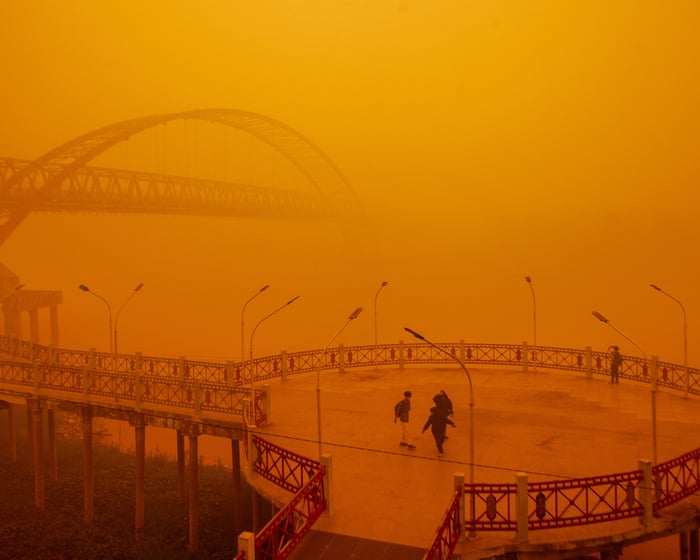
Indonesia's government is set to test an unusual method against its wildfires on Thursday: dropping dry ice, or solid carbon dioxide, from the air over South Sumatra province. The fires have produced toxic smoke that has angered neighbouring countries and sharply worsened air quality across the region.
According to state news agency Antara, coordinating security minister Dudung Abdurachman said the trial follows a direct instruction from the president. He said officials would first observe the results and could extend the method to other regions if it works. A Cessna aircraft is reportedly due to scatter 1.5 tons of dry ice over the South Sumatran city of Palembang. The government has already tried cloud seeding, water bombing and deploying army personnel.
Worst fire season in over a decade
Since January, almost 900,000 hectares have burned across Indonesia, making this the worst fire season in more than ten years. The situation has been worsened by a strong El Niño and by the continued practice of slash-and-burn land clearing for crops such as palm oil. For months, millions of Indonesians have lived under thick smoke, and tens of thousands have sought treatment for respiratory illness. Last week, a class action lawsuit was filed accusing the government of gross negligence.
Impact on neighbours
The haze has drifted into Singapore, Malaysia and the Philippines. Timor-Leste said it would close schools nationwide for three days from Thursday. Singapore reintroduced subsidies for haze-related medical treatment on Monday, last used in 2015, and has begun handing out N95 masks to eligible residents. Last week Singapore and Kuala Lumpur ranked among the most polluted cities in the world.
In Central Kalimantan on Wednesday, the ISPU air pollution index exceeded 1,200, four times the hazardous threshold of 300.
Experts urge caution
Rick McRae, an adjunct professor in the bushfire research group at the University of New South Wales, said dry ice could bring local relief for a while, but not a permanent fix. President Prabowo Subianto has ordered firefighting to be stepped up and a crackdown on suspected arsonists. Peatland fires, which can burn underground for weeks, remain especially hard to extinguish.
/nginx/o/2026/10/15/17974385t1h9636.jpg)