Infrared tech is decades old – why does almost every TV remote still use it?
Infrared (IR) remotes persist despite Bluetooth's advantages, mainly due to low cost, compatibility, and their crucial role in initial pairing and powering on the TV.
The first wireless remote, the Flash-Matic from 1955, used visible light. By the 1980s, infrared (IR) became the industry standard and has lasted over 40 years. IR remotes send invisible light pulses via an LED, which the TV's receiver decodes. Modern smart TVs often include Bluetooth remotes for features like voice control and gestures, but they almost always retain an IR transmitter.
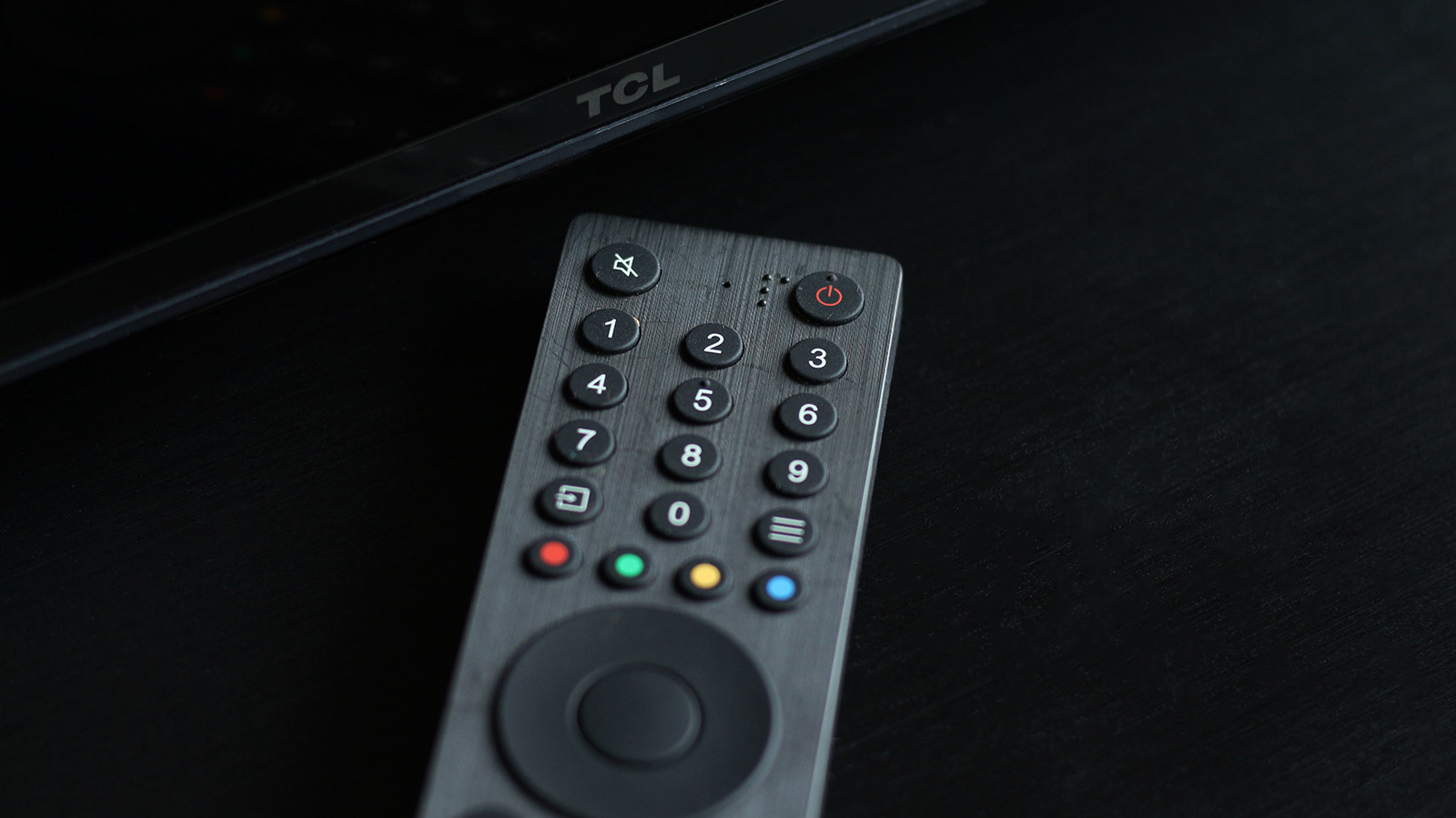
The key reason IR remains is its negligible cost after decades of mass production, plus immense compatibility with millions of existing devices. Bluetooth remotes require pairing, but IR allows control from the moment the TV is turned on for the first time. For instance, the author tested a TCL smart TV and found that the Bluetooth remote only uses IR for power on/off; all other commands use Bluetooth. When unpaired, the remote defaults back to IR.
Bluetooth's big advantage is no need for a clear line of sight, which is convenient when the remote is under a blanket. However, IR serves as a reliable fallback, especially for initial setup and to turn on the TV when Bluetooth might not be active. While IR is battery-efficient, that advantage matters less as remotes mostly use Bluetooth now. Bluetooth also lets you use an Android phone as a remote. Ultimately, IR is not obsolete but coexists with Bluetooth, handling essential functions while Bluetooth handles the rest.