Iraq presses ahead with plan to collect 6 million weapons despite resistance from Iran-backed factions
Iraq's government is continuing a plan to collect an estimated 6 million weapons held outside state institutions, while quietly abandoning a September 30 deadline it had originally set for armed factions to surrender their arsenals.
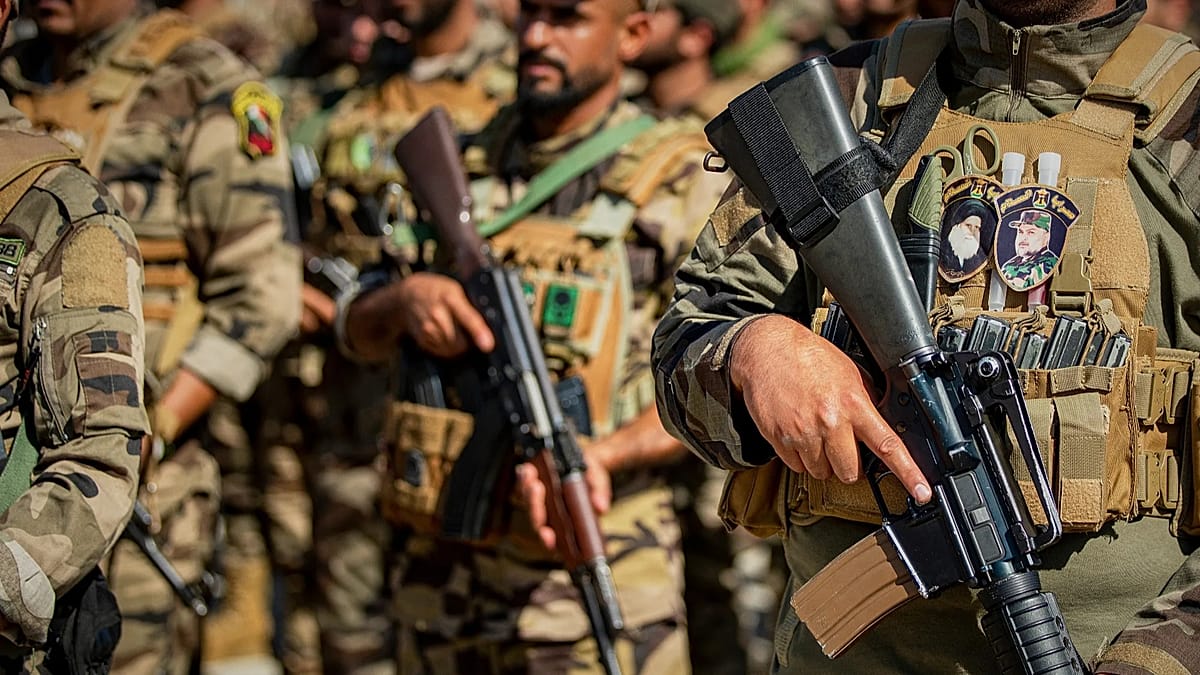
Iraq's Interior Ministry says the government is continuing its plan to collect an estimated 6 million weapons held outside official institutions, even as Baghdad has quietly stepped back from treating September 30 as a hard deadline for armed factions to hand over their weapons.
Deputy Interior Minister Hussein al-Awadi said the date, originally timed to coincide with the final withdrawal of US-led coalition forces, is now being treated as the start of a regulatory process rather than its completion. A four-member committee, including Prime Minister Ali al-Zaidi and former Prime Minister Mohammed Shia al-Sudani, is working on a revised mechanism for the process.
Al-Awadi said the government has shifted its focus from fighting terrorism toward tackling organised crime, and that security responsibilities will be handed to provinces one by one over the coming months. He said measurable progress had been made in the roughly 100 days since al-Zaidi took office.
Negotiation over force
The disarmament effort is being carried out through negotiation rather than military action. Al-Zaidi said in August that his government had no intention of using force against the factions, noting that some had already surrendered weapons while talks continued with others. He recently said the US troop withdrawal would remove any justification for continued resistance activity in Iraq, and that he would not tolerate a "state within a state".
The campaign is unfolding under significant pressure from Washington, which asked Baghdad in June for a clear timetable to bring weapons under state control. The Trump administration has tied Iraq's compliance to its access to dollar flows that are critical to its economy.
At the centre of the dispute are mostly Shia militias formed with Iranian backing and loosely organised under the Popular Mobilisation Forces umbrella. Kataib Hezbollah and Harakat al-Nujaba have refused to surrender what they call "resistance weapons", while Saraya al-Salam, Asaib Ahl al-Haq and Kataib Imam Ali have reached agreements with the government to hand over weapons or regularise their status.