Iran accuses US of violating peace agreement after strikes around Strait of Hormuz
Iran has accused the US of violating the agreement aimed at ending the war after US military launched strikes around the Strait of Hormuz and revoked a temporary sanctions waiver for Iranian oil exports.
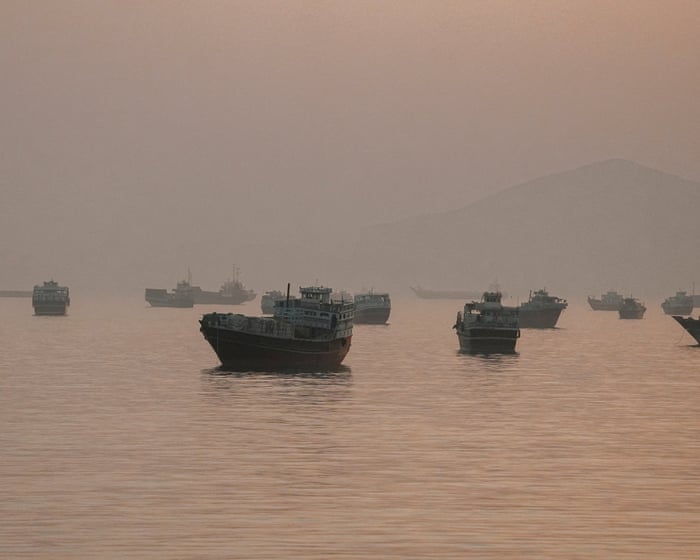
Iran has accused the United States of breaching the accord designed to end the conflict between the two nations, following US military strikes near the Strait of Hormuz and the revocation of a temporary sanctions exemption for Iranian oil sales.
The US Central Command stated that the attacks, carried out in the early hours of Wednesday, were in response to Iranian assaults on three commercial vessels transiting the Strait of Hormuz on Tuesday. The three tankers struck included a Qatari LNG vessel. The US described Iran's actions as "unwarranted, dangerous, and a clear violation of the ceasefire."
Wednesday's strikes represent the latest in a series of ceasefire violations despite a truce that took effect in April and the signing of a memorandum of understanding (MOU) last month. The MOU initiated 60 days of negotiations to resolve Iran's nuclear program and bring a permanent end to hostilities.
US officials told multiple media outlets that Wednesday's strikes targeted Iranian weapon launch sites, air defenses, and coastal surveillance systems, with the operation expected to last for hours. Iranian state media reported explosions on the island of Qeshm in the Strait of Hormuz, as well as in the cities of Sirik and Bandar Abbas.
Iran's Foreign Ministry accused the US of repeated violations of the MOU and warned it would take "decisive measures" in response. Among the breaches cited was the US Treasury's decision on Tuesday to revoke the temporary suspension of sanctions on Iranian oil sales. The US had lifted sanctions on Iranian oil exports last month after signing the MOU but reimposed them on Tuesday following the attack on the vessels.
The waiver on Iranian oil exports had been controversial among critics of the Trump administration's Iran agreement, who argued it amounted to surrendering a key economic leverage tool before nuclear negotiations had even begun.
The United Kingdom Maritime Trade Operations centre (UKMTO) reported that a Qatari tanker, Al Rekayyat, was among the vessels hit on Tuesday as it attempted to travel south out of the strait toward the Gulf of Oman. Qatar, which has been mediating talks between Washington and Tehran, called the attack a "serious and explicit violation" of international law and said it would hold Iran fully responsible.
All three tankers were struck near Oman, which has proposed a new shipping corridor close to its coastline—a suggestion Iran opposes as it wants to charge ships for using the waterway. Iran stated on Tuesday that Washington's efforts to open new routes through the strait constituted a breach of the MOU. Tehran claims the MOU is specifically worded to leave it, in consultation with Oman, to manage the reopening of the strait with the aim of restoring commercial traffic to prewar levels within 30 days.
Experts have noted that the vague wording of the MOU allows both sides to interpret the agreement differently, with repeated misunderstandings posing a continuing threat to the ceasefire.
Wednesday's strikes occurred during the multi-day funeral for Iran's Supreme Leader Ayatollah Ali Khamenei, who was killed at the start of the war. On Tuesday, huge crowds mourned Khamenei in the holy city of Qom, with hundreds of thousands of people carrying flags and banners comparing him to revered Shi'ite martyrs. Some placards read "KILL TRUMP."
