Who is Mohsen Rezaei, Iran's new security chief wanted by Interpol?
Iranian President Masoud Pezeshkian has appointed IRGC co-founder Mohsen Rezaei as secretary of the Supreme National Security Council, despite an Interpol Red Notice tied to the 1994 Buenos Aires bombing. Rezaei has already said Iran will not open a second Hormuz shipping corridor and will target US warships entering the strait.
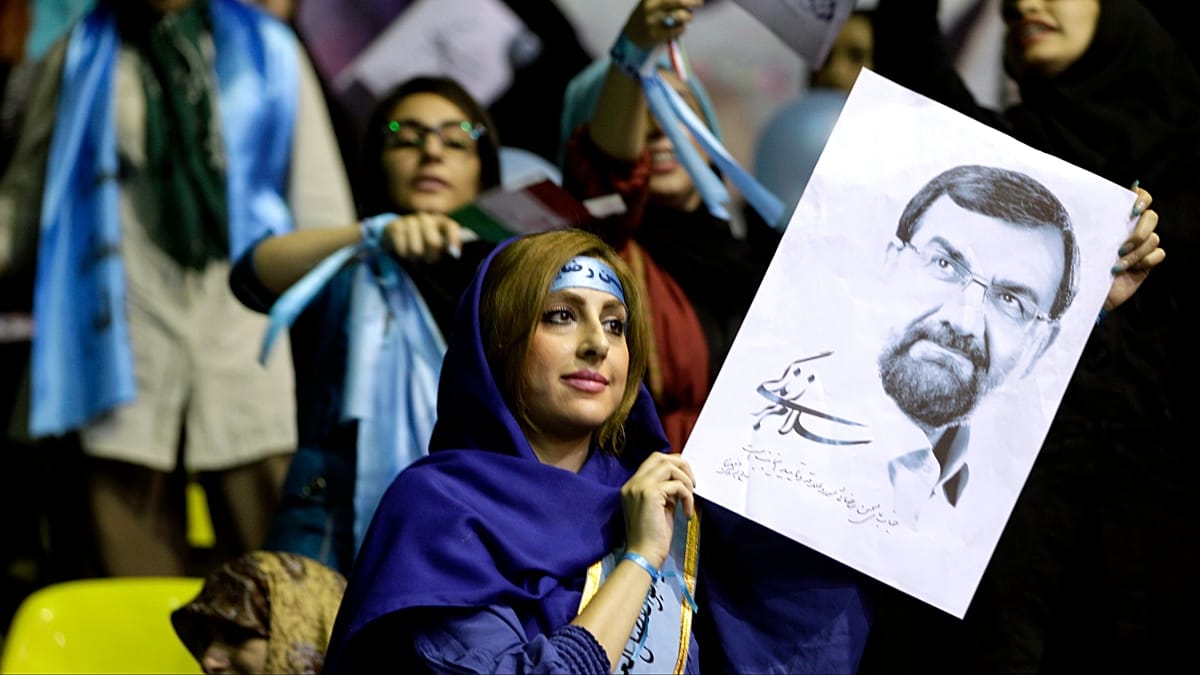
President Masoud Pezeshkian signed a decree on Sunday appointing 71-year-old Mohsen Rezaei as secretary of Iran's Supreme National Security Council, the body responsible for the country's strategic decisions. Hours earlier, Ayatollah Mojtaba Khamenei had separately named Rezaei as his personal representative on the council. Rezaei succeeds Mohammad Bagher Zolghadr, who resigned after roughly four months and was made a political adviser to Khamenei.
Immediately after his appointment, Rezaei said Iran would not open a second shipping corridor in the Strait of Hormuz, that US warships entering the strait would be targeted, and that the war must end and Iran's frozen assets be released before Hormuz could reopen.
Decades in Iran's security apparatus
Born in 1954 in Khuzestan province to a Bakhtiari tribal family, Rezaei was jailed under the Shah for political activism before the 1979 revolution. He helped draft the IRGC's constitution and, in 1981 at age 27, was named commander-in-chief of the Revolutionary Guards by Ayatollah Khomeini, a post he held for 16 years. He later served nearly 24 years as secretary of the Expediency Discernment Council and was deputy president for economy under President Raisi from 2021 to 2023. He has run for president four times without success.
Controversies
Since 2007, Rezaei has been the subject of an Interpol Red Notice over the 1994 bombing of the AMIA Jewish centre in Buenos Aires, which killed 85 people; he denies involvement. His military record also includes the disastrous 1986 Operation Karbala-4, after which the remains of 175 divers were found in 2015, and the disputed 2011 death of his son in Dubai, which Dubai police attributed to an overdose.
The appointment follows a turbulent period in which US and Israeli strikes in February killed Ayatollah Ali Khamenei and dozens of senior commanders, including Rezaei's predecessor Ali Larijani.