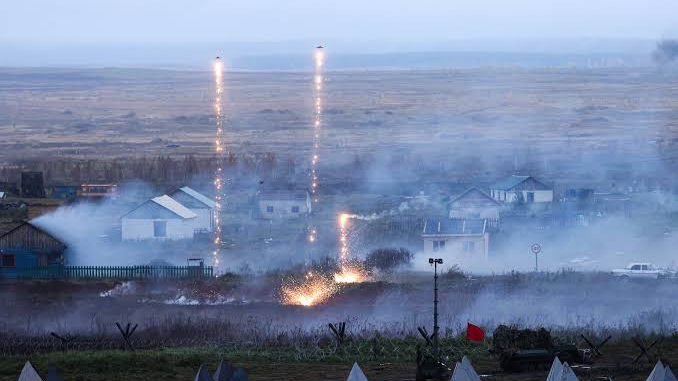
Iran launches retaliatory attacks after US completes ninth night of strikes
The US completed its ninth consecutive night of strikes against Iran, following the deaths of three American service members. Iran retaliated with a surprise attack in Syria, while Kuwait and Bahrain reported Iranian attacks.
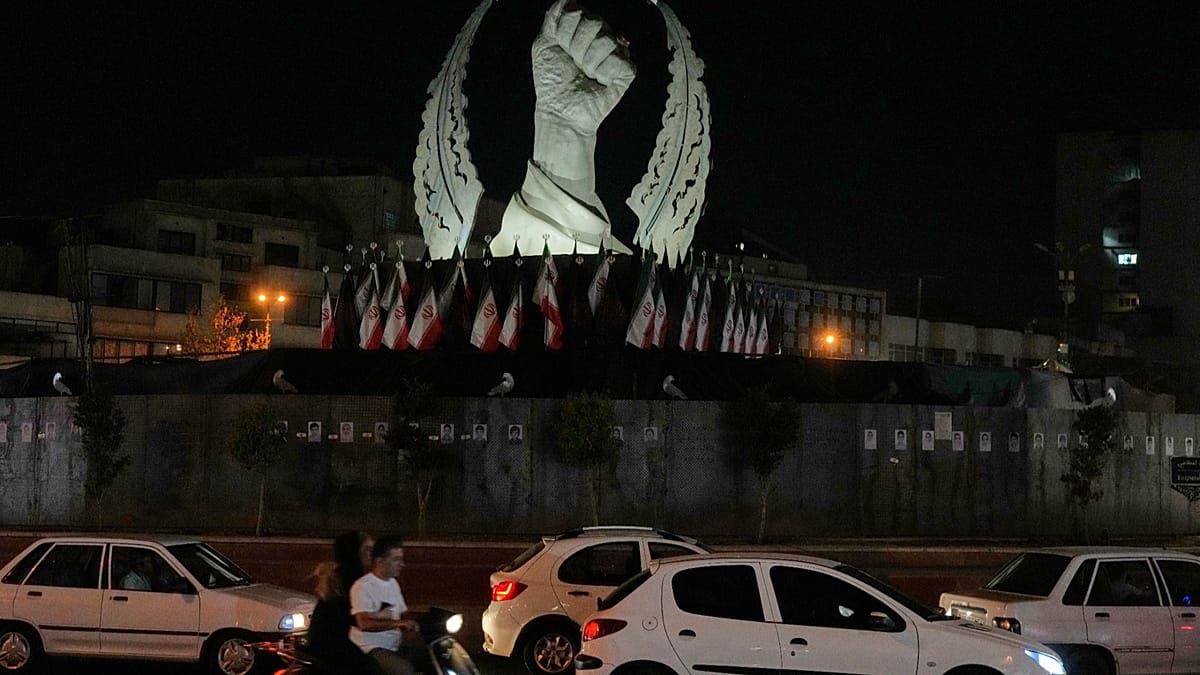
The US military said on Monday it completed its ninth consecutive night of strikes against Iran, targeting military infrastructure and strategic sites across Iran. In a post on X, US Central Command said it targeted "Iranian military command centres, air defence and coastal surveillance sites, maritime capabilities, missile and drone launch sites, and communications networks". The latest attack came after Washington announced the death of three American service members. Two were killed during an Iranian attack on a US base in Jordan, and another service member was killed in Iraq on Saturday during the "controlled detonation" of a downed Iranian drone.
US President Donald Trump told reporters upon his return to Washington following the World Cup final, "We'll see what happens but we hit them very hard again tonight," adding that the strikes were "in honour" of the "three great patriots".
On its end, Iran's Revolutionary Guard said on Monday that it launched a "surprise attack" on an "enemy" command centre in Syria, state media reported. Meanwhile, Kuwait's army said it was responding to an Iranian attack. "Any explosions heard are a result of air defence systems intercepting the hostile attacks," it said in a statement on X. A day prior, Iran said it targeted two US bases in Kuwait. Bahrain also sounded its missile alert sirens Monday morning, warning of an incoming Iranian attack.
US Secretary of State Marco Rubio said on Sunday that Iran is using the Strait of Hormuz as leverage and urged other countries to "step up" pressure and share the burden to protect global shipping. "It's clear that Iran, at least some people in Iran, want to control the straits and hold that as leverage against the world," Rubio told reporters ahead of traveling to the Philippines for a meeting of foreign ministers with ASEAN. Traffic in the strait has once again largely stalled amid the intensified fighting, driving Brent crude above $90 a barrel on Monday.
Rubio added that Washington remains open to diplomacy, but the deal must be "real" and one that Iran is "willing to live by". On Saturday, Iran’s supreme leader, Mojtaba Khamenei, warned of "unforgettable lessons" if the United States keeps attacking the Islamic Republic, as reported on State Television. Khamenei called US President Donald Trump’s signature on the interim ceasefire deal as "worthless and invalid". US airstrikes on Saturday hit an electricity and desalination plant in Iran’s southern Hormozgan province, destroying the Bonji desalination plant and cutting off water supplies to about 10,000 people, and damaging a desalination plant on Qeshm Island. Three bridges were also hit, including one on a route to Bandar Abbas.