Iranian MPs threaten missile strikes on Europe if US uses bases there
A member of Iran's parliamentary National Security Committee told Euronews that Iranian missiles will be fired at Europe if the US uses its bases there against Iran. The IRGC and state media issued similar warnings on 4 November.
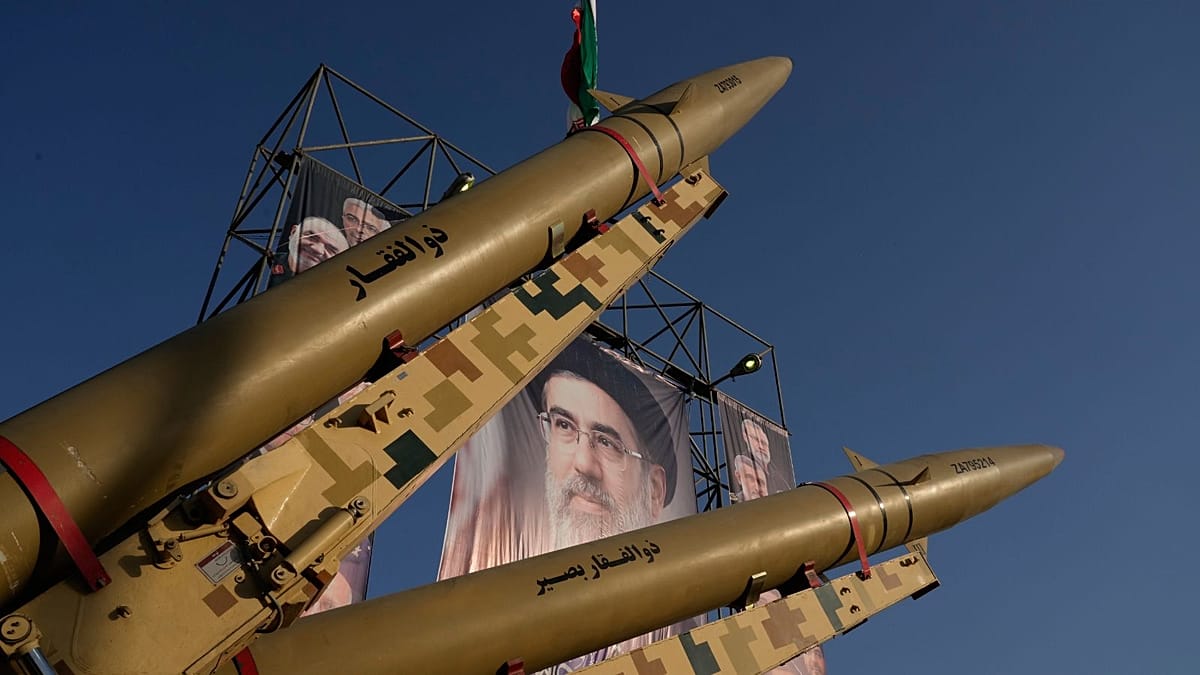
Iranian lawmakers have threatened missile strikes on European countries that host US military bases. State-run media warned on Wednesday, 4 November, that any renewed confrontation with the US could reach "the heart of Europe". The statements point to possible escalation between Tehran, Washington and European states.
Statements by lawmakers
Ahmad Bakhshayesh Ardestani, a member of parliament's National Security Committee, told Euronews that if America uses its bases in Europe, including in Italy and Germany, Iran's missiles will be fired towards Europe. He said Iran had not done this in the two previous wars, but would not let European assistance to a US attack go without consequence. Ardestani argued that European countries had already been at war with Iran in the previous phase by allowing their bases to be used. He said Iran would strike any base used against it, as well as the material and non-material assets of countries assisting America.
Another committee member, Fada Hossein Maleki, said Iran had prepared a new approach and scenario for any renewed conflict, which he believed would surprise both the US and European countries.
IRGC and media warnings
The Islamic Revolutionary Guard Corps (IRGC) issued a statement on Wednesday, the anniversary of the 1979 seizure of the US embassy in Tehran, pledging an immediate, effective response without geographical limits. It cited orders attributed to Ayatollah Mojtaba Khamenei to update Iran's "target bank".
Ahead of the anniversary marches, government supporters hung a banner outside the German embassy in Tehran quoting Mohsen Rezaei, secretary of Iran's National Security Council: "Europe will pay the price for supporting Israel." The Fars news agency said student Basij members at the University of Tehran were responsible. The German embassy and foreign ministry could not be reached for comment. Fars also reported that Iran had warned Berlin that German military assets in the region would be treated as legitimate targets if Germany entered open military confrontation; this could not be independently verified.
US response and the Strait of Hormuz
Rezaei said the US response to Iran's demands was not convincing, and that Washington must meet Iran's seven conditions in full before the Strait of Hormuz is reopened. Parliament speaker Mohammad Bagher Ghalibaf welcomed the Republicans' defeat in Tuesday's congressional elections. Asked whether he would take a tougher line on Iran, US President Donald Trump answered ambiguously, saying he would examine the matter and act if needed.