ISW: Ukraine's Operation Vivaldi Has Foiled Russia's Plan to Encircle the Donbas
The US-based Institute for the Study of War (ISW) concludes that Ukraine's counter-offensive on the Lyman axis, dubbed Operation Vivaldi, has wrecked Russia's plan to encircle Ukrainian-held Donetsk region this year. ISW also disputes Russia's figures on its September gains.
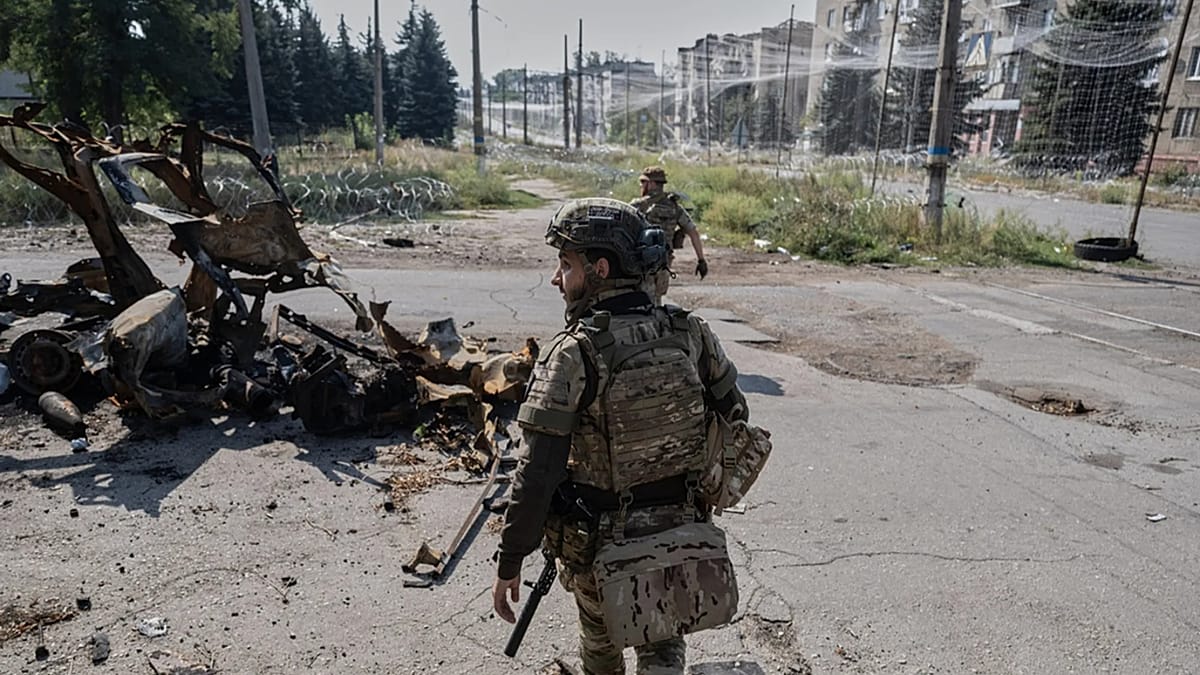
The Washington-based think tank Institute for the Study of War (ISW), drawing mainly on open-source intelligence, has concluded that Ukrainian forces derailed Russia's plan this year to encircle and occupy the remaining Ukrainian-controlled part of Donetsk region. Such an encirclement would have been a major step towards Moscow's longstanding goal of occupying the whole region and would have given the Kremlin something to show Russian society for the costs of the war.
The plan and its collapse
The Russian campaign envisaged a deep pincer movement against the so-called "fortress belt", the defensive and logistical network protecting the Ukrainian-held part of the Donbas. Forces were to advance from Lyman in the north and Dobropillia in the south-west, meeting near Barvinkove in the Kharkiv region.
Ukraine's counter-offensive on the Lyman axis, Operation Vivaldi, dismantled the northern arm of the pincer. Ukrainian troops advanced along the Ridkodub–Nove–Novomykhailivka line in the north and the Yarova–Drobysheve–Stavky line in the south, eliminating the salient from which Russia had threatened Sloviansk from the north-east and forcing Russian units onto the defensive. Andrii Biletskyi, commander of Ukraine's 3rd Army Corps, said the first three phases of the operation in mid- to late September liberated 176 square kilometres. President Volodymyr Zelenskyy cited 125 to 140 square kilometres as of 3 October and said Russian losses had risen sharply over the previous two to three months. ISW suggested the operation may have been more successful than Kyiv's official figures indicate.
Ukraine kept control of the Lyman area and key supply routes. Russia's south-western advance from the Pokrovsk–Dobropillia area, the surviving arm of the plan, now faces far more ambitious objectives on its own. According to ISW, Russia's reliance on infantry infiltration, drones and bombardment can produce gradual attrition but not the fast mechanised manoeuvres needed to collapse Ukraine's defences. The situation remains fluid, and Russia will probably adapt.
Dispute over September figures
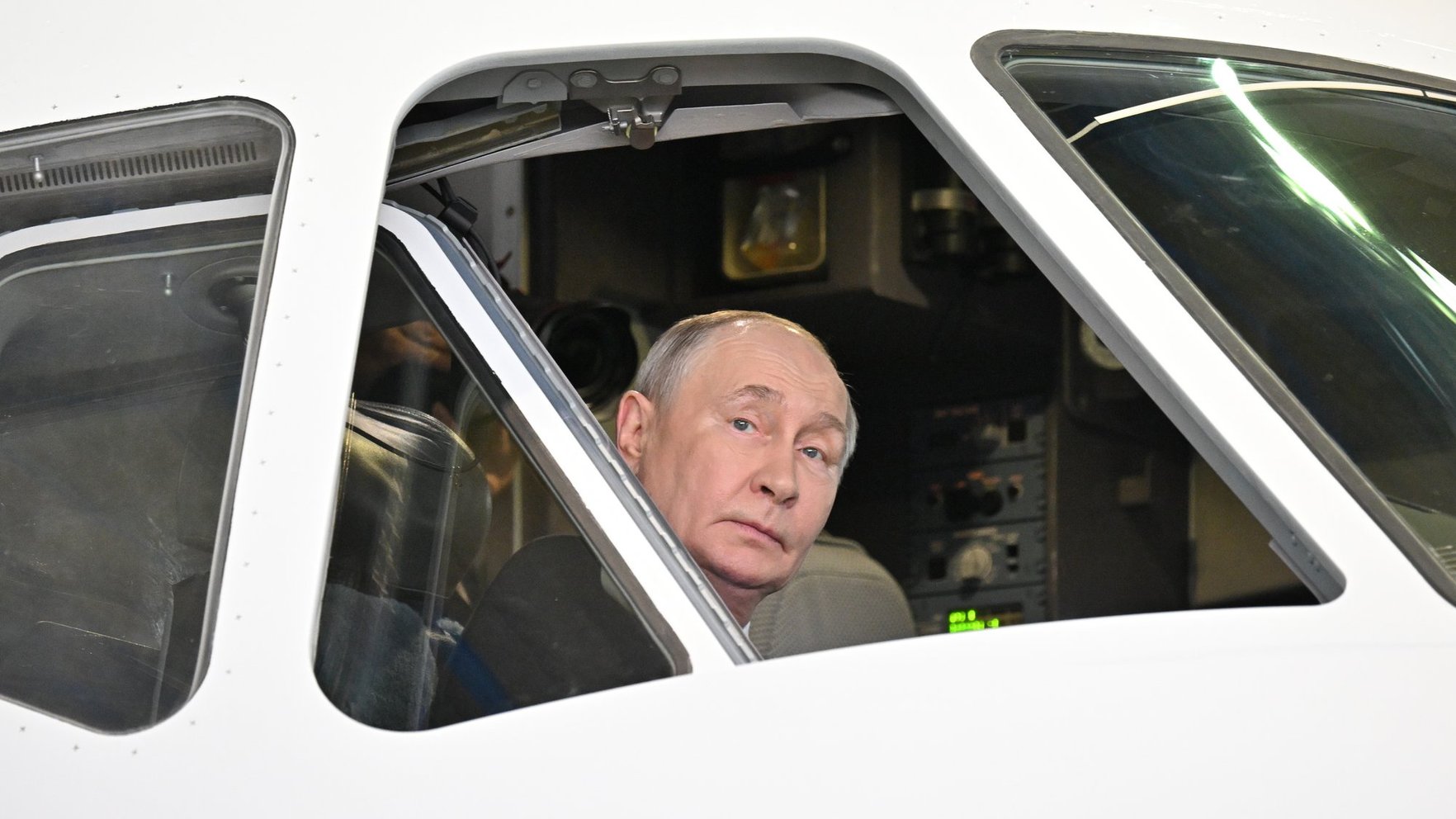
ISW also challenged claims in pro-government Russian media that Russian forces occupied a further 1,301 square kilometres in September. Based on geolocated photo and video footage, satellite imagery and visually confirmed data, the institute calculated that Russian assault units were in fact pushed out of at least 80 square kilometres that month. President Vladimir Putin told the Valdai Club that Russia occupies 89% of Donetsk region; ISW puts the figure at no more than 81%. It described his claims as "so far removed from reality that they resemble hallucinations".