Multiple Sclerosis and Parkinsonism: Anda Leiškalne on Living With Two Neurological Diagnoses
Anda Leiškalne, a Latvian woman, told the news site Apollo.lv how she lives with two neurodegenerative diseases, multiple sclerosis and parkinsonism, both of which she says were diagnosed late.
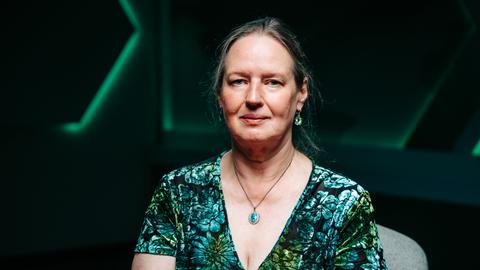
Anda Leiškalne, who lives in Latvia, says in an interview with the news portal Apollo.lv that she has two neurodegenerative diseases, meaning conditions that gradually damage the nervous system: multiple sclerosis and parkinsonism. She believes both diagnoses came too late and wants to share her experience so that others notice warning signs sooner. The interview was published on 26 November 2026.
What multiple sclerosis is
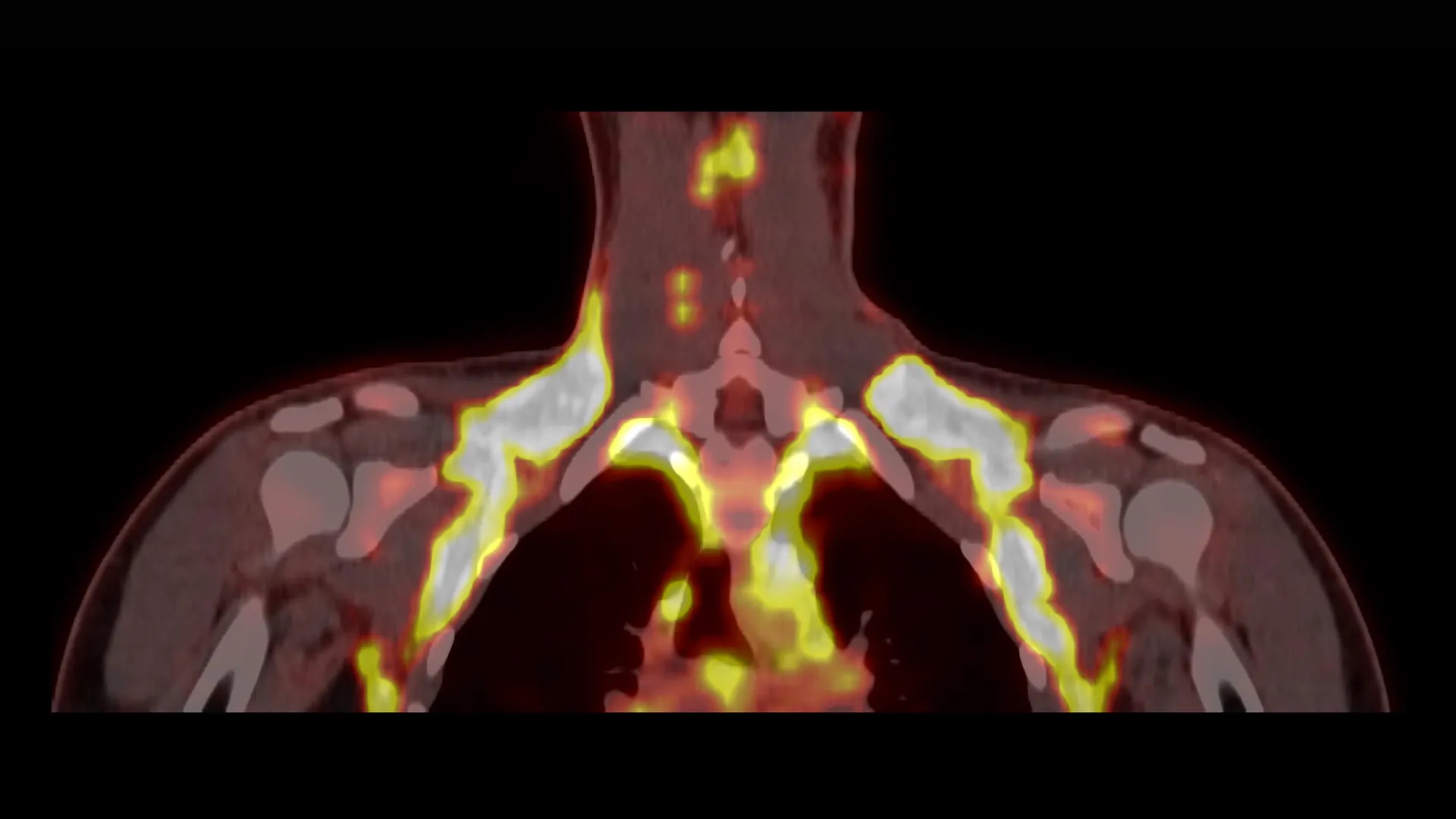
Anda explains that multiple sclerosis is an autoimmune disease: the immune system attacks the body's own nerve sheaths and wears them away. The disease is "scattered" in two ways. It forms lesions in different places in the brain, and it progresses over time, which shows up on repeated magnetic resonance imaging scans. Its effects vary widely: some patients cannot walk and are bedridden, while others do not understand what is wrong with them.
By her account, her diagnosis came at least 15 years late. About 15 years ago her field of vision narrowed, and balance problems followed later. One day she was taken to hospital with a diagnosis of alcohol poisoning, although she had drunk only about 30 grams, and no neurological tests were carried out.
The road to a parkinsonism diagnosis
Her parkinsonism symptoms included slowness, difficulty rising from a chair, a shuffling gait and a characteristic posture. According to Anda, her family doctor once mentioned possible parkinsonism but later advised her simply to lift her feet higher. Other doctors dismissed her suspicions, attributing tremor and stiffness to other causes.
Later Anda spent several hours unable to get out of bed, then fell and could not get up on her own. After a rescue operation she was taken to hospital, and at the end of May this year she was diagnosed with parkinsonism.
What helps
Parkinsonism cannot be cured, but it can be treated. With the correct dose of medication, Anda can now lift her feet higher. She exercises every day and tries to live in the present, treating the illness as a neighbour she must live with, or as an adventure. Multiple sclerosis limits how much she can do, since overexertion takes a toll. Anda hopes exercise will reduce her symptoms or slow their progression.