Second-Generation Dacia Spring Tested: Cheapest European-Built Electric Car
Journalists tested the new Dacia Spring in Portugal. The second-generation electric car is built in Slovenia, is larger and better equipped, and starts at €17,900 elsewhere in Europe.
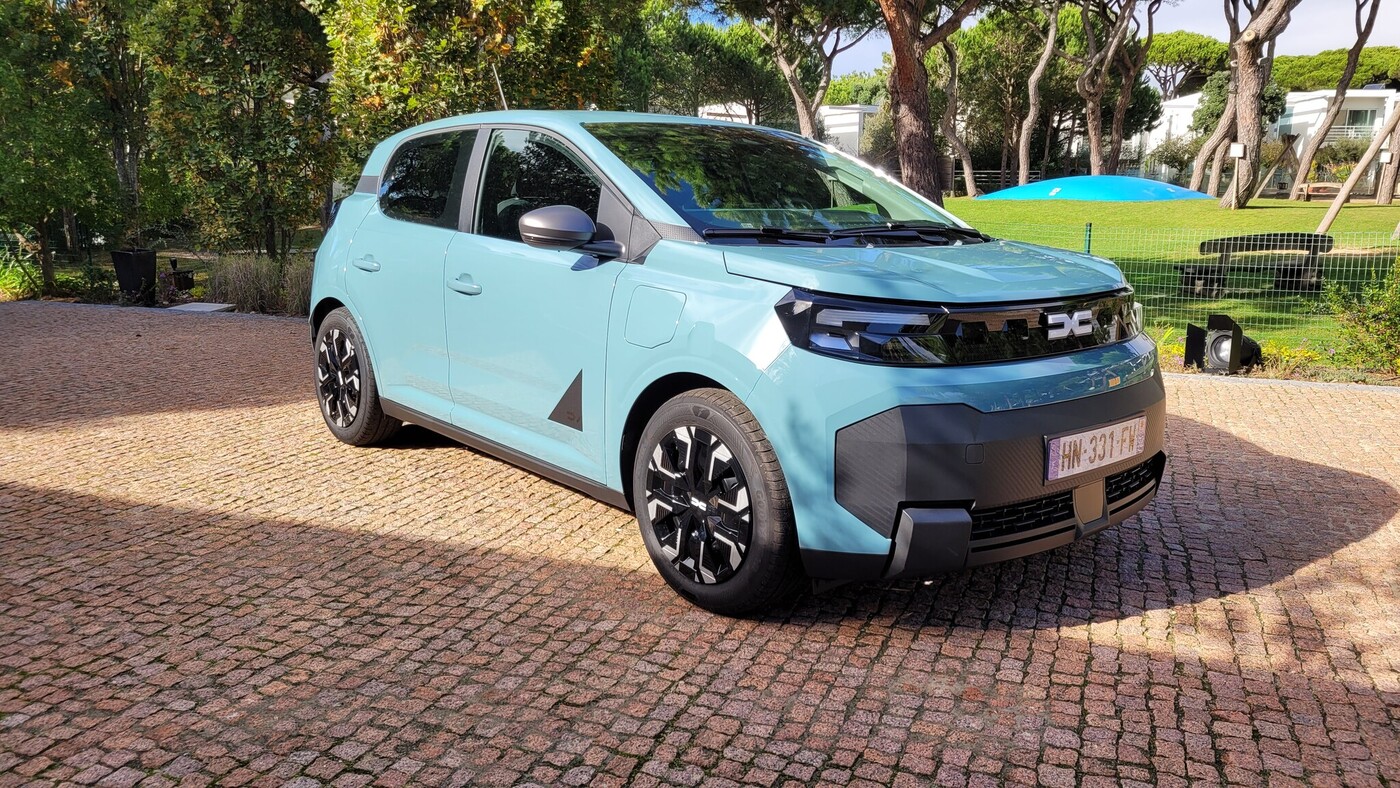
Journalists from the Latvian car portal iAuto.lv tested the second-generation electric car Dacia Spring, made by the Romanian brand Dacia, in Portugal. Presented as the cheapest electric car built in Europe, the model is now produced in Novo Mesto, Slovenia. It costs from €17,900 elsewhere in Europe, while Latvian prices have not yet been announced.
Why a new generation
The first Spring went on sale in 2021 as the cheapest electric car on the market, and more than 210,000 units were sold. It was based on the Renault City K-ZE, originally intended for China. Its position was complicated by Chinese brands entering Europe with technically stronger cars at similar prices, and by the EU import tariffs on Chinese-built cars introduced in 2024. In France, the biggest market, buyers of Chinese-made cars get no subsidies.
Size and technology
The new model is 3.86 m long and 1.72 m wide, 15 cm longer and 18 cm wider than its predecessor. Kerb weight is 1,212 kg. Boot capacity is 337 litres, or 1,283 litres with the rear seats folded. The 60 kW (82 hp) electric motor is taken from the Renault Twingo; the car accelerates to 100 km/h in 12.1 seconds and tops out at 130 km/h. The battery is a 27.5 kWh LFP unit with an official WLTP range of 250 km.
Trims and charging
The base Expression version costs from €17,900, while Journey, with a 10.1-inch screen and navigation, costs €19,400. The standard 6.6 kW AC charger takes 2 hours 55 minutes to charge from 15 to 80%. A €500 package adds 50 kW DC fast charging, cutting that to 28 minutes.
Driving impressions and winter
On Portuguese roads, average consumption was 11.5 kWh/100 km, equal to about 240 km. The author praises ride comfort and sound insulation but notes the low ground clearance of 11.7 cm. A Dacia representative calculated that at minus 5 degrees and below, range could fall by more than 50%. A heat pump for northern markets has not been confirmed.