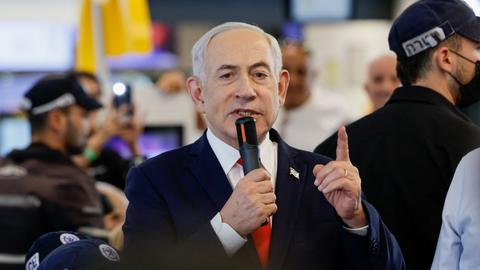
Israel: Coalition Talks Resume Between Eisenkot's and Netanyahu's Parties
Parties led by former army chief Gadi Eisenkot and outgoing Prime Minister Benjamin Netanyahu are continuing talks on a joint government on Sunday. No bloc won an outright majority in October's parliamentary election.
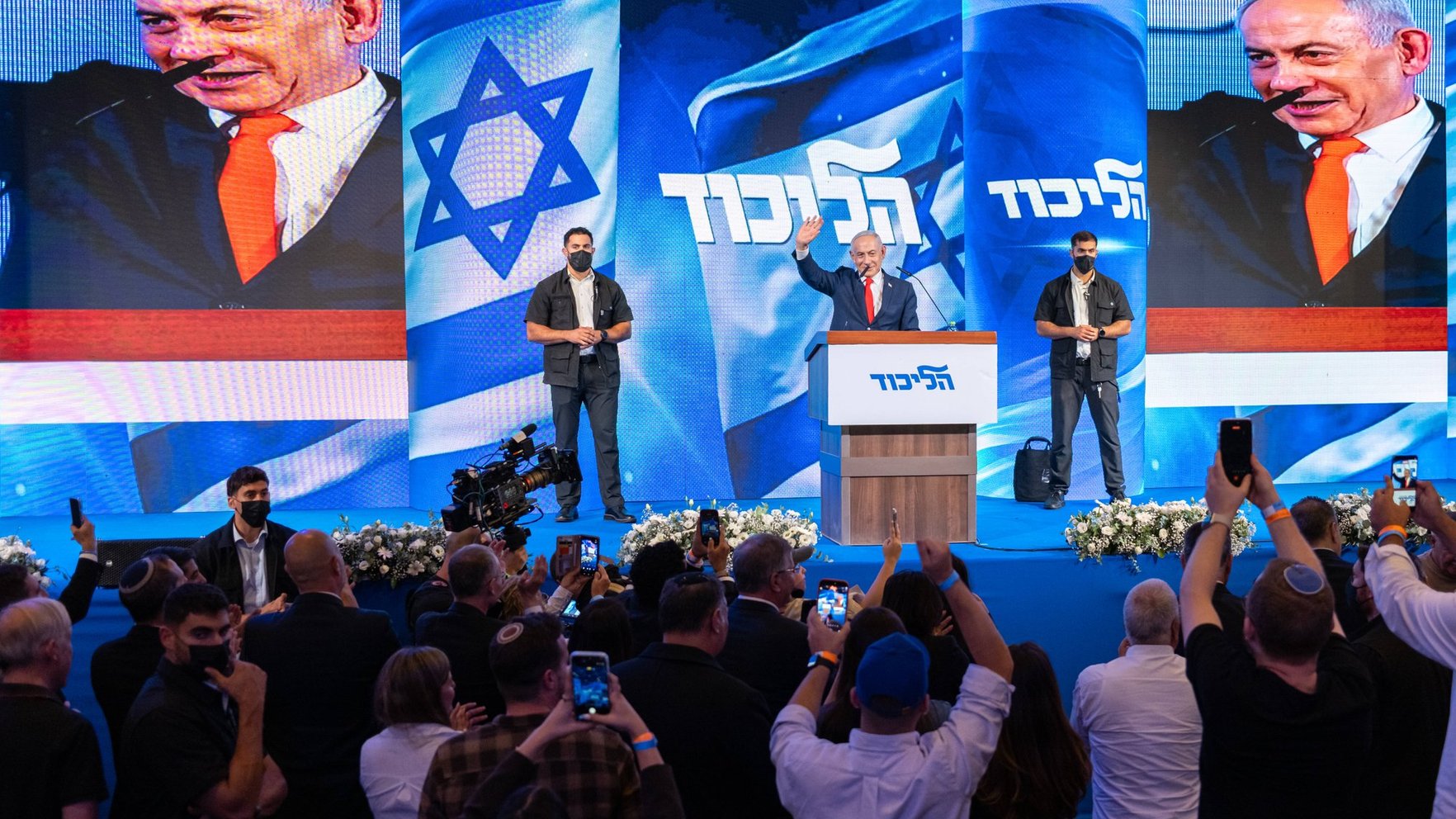
Israeli coalition talks continued on Sunday between the party of Gadi Eisenkot, a former chief of the army general staff, and the party of outgoing Prime Minister Benjamin Netanyahu. Delegations from Eisenkot's "Yashar" and Netanyahu's "Likud" met at 13:00 in Herzliya, near Tel Aviv, resuming negotiations begun the previous Sunday. The outcome matters because no bloc secured an outright majority in October's parliamentary election, leaving the shape of the next government unresolved.
Eisenkot has until 6 December to form a government, although the deadline can be extended by a further 14 days. His camp is divided over whether to build a coalition with ultra-Orthodox parties, cooperate with Arab parties, or form a national unity government with Likud.
Likud's conditions
Likud has set several conditions for joining a national unity government. It demands an end to all personal attacks on Netanyahu and his government, and wants every party that supports Israel as the Jewish nation-state brought in, without Arab participation.
The party also rejects the creation of a Palestinian state, insists on Israel retaining control over territories in Syria, Lebanon and the Gaza Strip, and calls for a compromise on the sensitive issue of military service for ultra-Orthodox Jews.
Rotation idea and Eisenkot's warning
A national unity government could be based on a rotation of prime ministers, a model Israel has tried before. Eisenkot, however, has ruled out serving in a government led by Netanyahu.
On Friday he warned that he would not allow the talks to be dragged out and said he was ready to propose a "national emergency government" to parliament. He did not explain what he meant, but his remarks suggest a minority government would first be formed, backed by current opposition parties, and expanded over time.