Israel declassifies Entebbe raid documents on eve of 50th anniversary
Israel's State Archives has declassified documents about the 1976 Entebbe raid, revealing that the government simultaneously considered negotiations and a military operation.
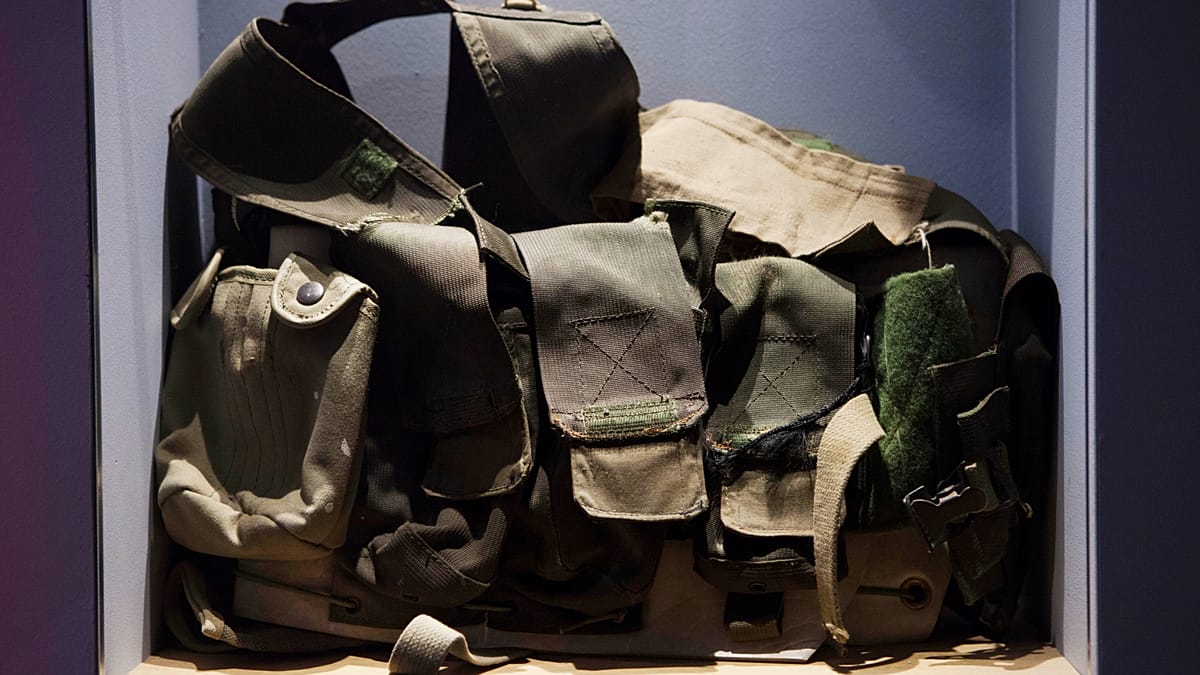
Israel declassified a batch of previously secret documents on Friday, June 26, shedding new light on the decision-making behind the 1976 Entebbe raid, one of the most celebrated hostage rescue operations in history. The release by the Israel State Archives comes days before the 50th anniversary of the operation on July 3.
The documents complicate the widely held narrative of Entebbe as a clean pivot from diplomacy to military action. According to a summary published by the archives, then-Prime Minister Yitzhak Rabin's ad hoc crisis team initially ruled out any negotiations with the hostage-takers. But as the crisis stretched across six days and pressure from hostages' families mounted, officials gradually softened that position.
In one internal memo, Rabin's crisis team wrote: "The zero hour is approaching... We believe that a supreme effort must be made and break the ultimatum," authorizing negotiations over certain conditions. In practice, Israel pursued both tracks simultaneously — backing France-led talks with Ugandan President Idi Amin while covertly preparing the rescue mission, including constructing mock-ups of the airport and staging transport planes in Kenya.
The documents suggest the decision to proceed militarily came only once negotiations appeared to stall and commanders' confidence in the operation had grown.
The operation began on June 27, 1976, when Palestinian and West German militants hijacked an Air France flight from Tel Aviv after a stopover in Athens, diverting it to Entebbe Airport in Uganda. Israeli commandos flew thousands of miles across hostile airspace and stormed the airport in an operation lasting under an hour, rescuing all but three hostages. All hijackers were killed, along with dozens of Ugandan soldiers. The sole Israeli commando to die was Yonatan Netanyahu, brother of future Prime Minister Benjamin Netanyahu.
The raid drew sharp international criticism at the time. Amin and the Organisation of African Unity condemned it as a violation of Ugandan sovereignty. For Israel, however, Entebbe represented a landmark success coming just four years after all nine Israeli athletes taken hostage at the 1972 Munich Olympics were killed during a German-led rescue attempt.
Yet Rabin himself was measured in his assessment. "Let us not deceive ourselves," he wrote in one of the released memos. "It was an extraordinary operation and achievement. However, the problem is not over. Terrorism continues to operate. What other problems terrorism will pose to us and what lessons we must learn from this matter, it is too early to say. We have finished one battle, but the war continues."


