Israel's election is a verdict on Netanyahu, with the conduct of the wars barely debated
Israel votes on Tuesday in its first parliamentary election since Hamas's attack on 7 October 2023, widely seen as a verdict on Prime Minister Benjamin Netanyahu. The campaign has focused far more on his record, military conscription and the judiciary than on how the wars were fought.
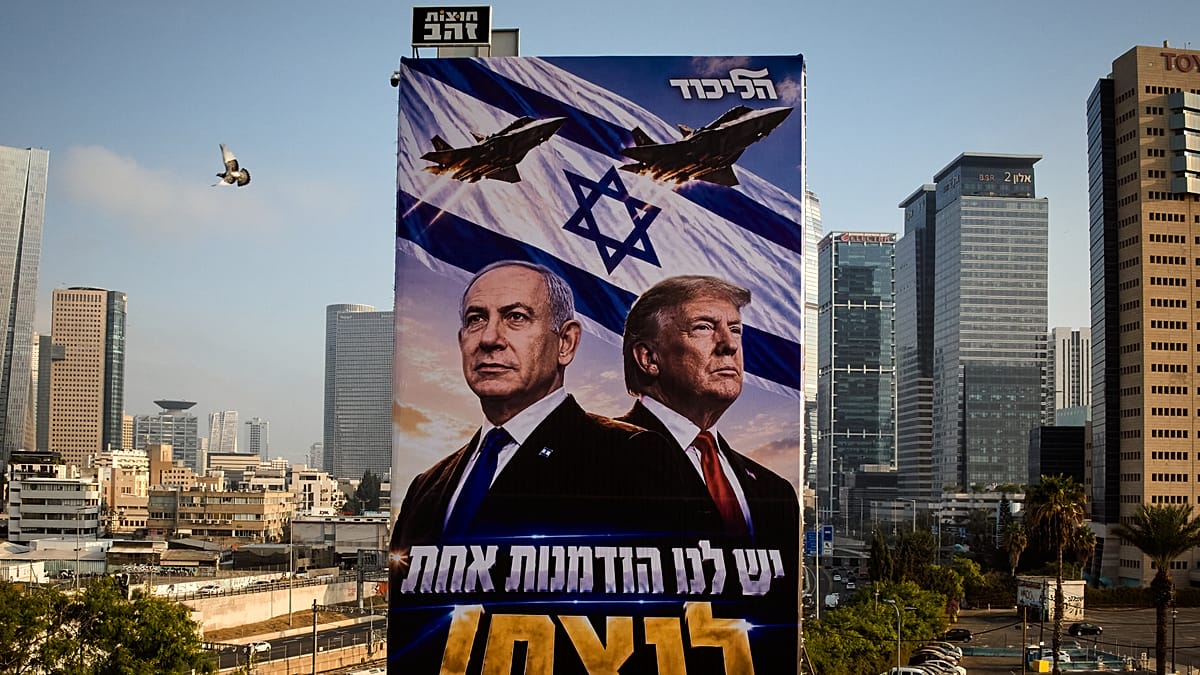
Israelis vote on Tuesday in a parliamentary (Knesset) election, the first since the Palestinian militant group Hamas attacked the country on 7 October 2023. The ballot is shaping up as a judgement on Prime Minister Benjamin Netanyahu, Israel's longest-serving leader. Although the country has fought on several fronts for three years, the campaign has said little about how those wars were conducted.
Wars outside the debate
Israel's operations in Gaza, which led to an international arrest warrant for Netanyahu, have scarcely been discussed. The same goes for its occupation of much of southern Lebanon and parts of Syria, and for the two wars it launched against Iran. All have broad backing among Jewish Israelis. The main contenders are instead arguing about Netanyahu himself: his character, his responsibility for the security failures of 7 October, military exemptions for ultra-Orthodox men, and his 2023 attempt to overhaul the judiciary. The two main blocs also differ little on the Palestinian question, as both are dominated by parties that support Jewish settlement in the occupied West Bank and oppose a Palestinian state.
Army service and the judiciary
The Israel Democracy Institute (IDI), a Jerusalem-based think tank, found that around 68% of Jewish Israelis say their views on 7 October are central to their vote. Among Arab citizens the figure is 32%, with most naming crime as their main worry. Conscription has provoked the most anger: about 13,000 ultra-Orthodox men turn 18 each year, but fewer than one in ten enlist. About a quarter of Jewish voters say the issue will influence them. Netanyahu's main challenger, centrist former army chief Gadi Eisenkot, has pledged to end the de facto exemptions.
Only 18% of Jewish Israelis say the judicial overhaul will shape their vote. A law passed last year giving the government more say in judicial appointments takes effect only once the next Knesset is sworn in, and the opposition has promised to scrap it.
Coalition arithmetic and the economy
Israelis vote for party lists, and no party is close to the 61 seats needed for a majority in the 120-seat Knesset. The next prime minister will be whoever can build a coalition; if no one can, Netanyahu stays on as caretaker until another election.
Living costs are a major concern but have barely featured in the campaign. The IDI found 38% of Jewish Israelis and 46% of Arab citizens rank the economy as their first or second priority. Joseph Zeira, an economics professor at the Hebrew University of Jerusalem, warned that heavy military spending cannot be ignored.