Surge in Palestinian-party seats in Knesset set to reshape Israeli politics
Exit polls from Israel's parliamentary election project Palestinian parties winning 17–18 seats, up from 10. The opposition now faces a choice between negotiating with them and leaving Netanyahu a path to stay in power.
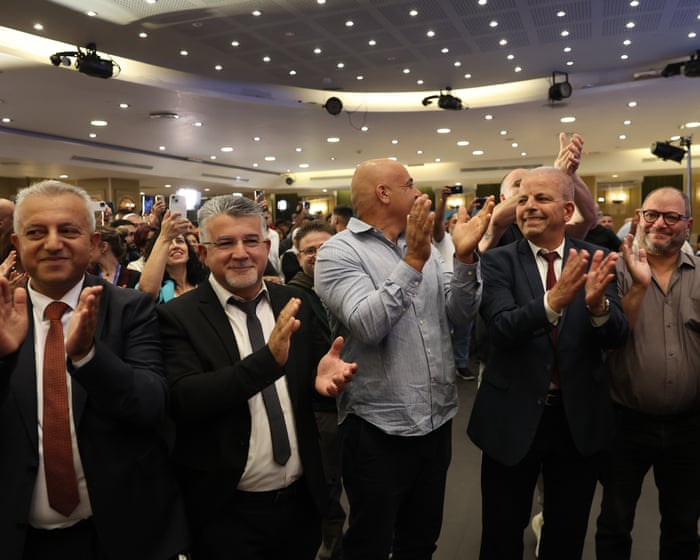
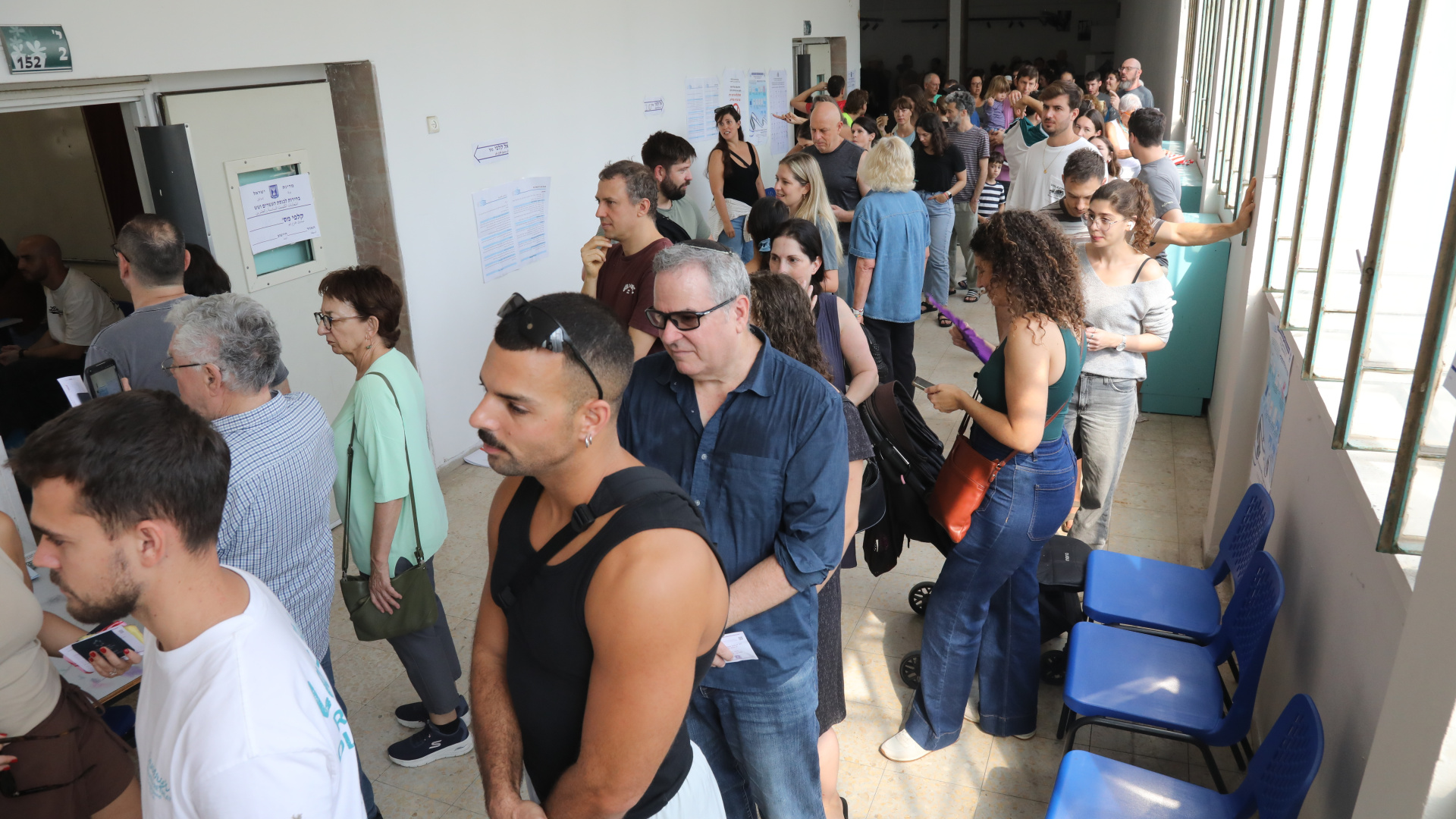
Exit polls from Tuesday's election to Israel's parliament, the Knesset, suggest Palestinian parties could win 17 to 18 seats, up from 10 at present. The shift means the opposition, which wants to unseat Prime Minister Benjamin Netanyahu, will have to deal with representatives of Arab citizens of Israel if it hopes to form a government.
Narrow lead, long process
The polls give a slim lead to the opposition bloc over Netanyahu's governing coalition and its supporters. Opposition leader Gadi Eisenkot described the outcome as a victory for "Israel's Zionist national majority". Netanyahu's Likud party, however, could still emerge as the largest single party.
If official results confirm this, President Isaac Herzog will have discretion over whom to ask first to try to form a government. A candidate who fails within six weeks is replaced by the next option. The process could take a long time, and Netanyahu's coalition would remain in a caretaker role throughout.
Talks with Arab parties
To reach a Knesset majority, Eisenkot and his "change" bloc would need to negotiate with the Joint List and Ra'am (short for the United Arab List). Ra'am and its leader Mansour Abbas are likely to be easier partners: Abbas has already served in a government led by Naftali Bennett, who is now a junior partner in Eisenkot's bloc. On Tuesday Abbas stressed that his priority is to bring down Netanyahu, Bezalel Smotrich and Itamar Ben Gvir. But Ra'am is projected to win only seven seats, which may not suffice for a majority government.
The Joint List is projected to win 10 or more seats. Eisenkot has set four conditions: recognising Israel as a Jewish and democratic state, accepting the values of its declaration of independence, accepting conscription for Palestinian citizens of Israel, who are currently exempt, and denouncing Hamas as a terrorist organisation. Amjad Shbita, general secretary of Hadash, the socialist party that is the largest faction in the Joint List, said conditions would not work and that talks must be between equals.
Possible scenarios
Without a deal, Eisenkot might try to lead a minority government relying on informal vote-by-vote agreements. That would be unstable and make another election likely, giving Netanyahu a chance to rally conservative Jewish voters around his campaign slogan, "the Right or Palestine".