Japanese researchers develop gum disease therapy that kills harmful bacteria while sparing beneficial ones
Researchers at Nagoya University have created an experimental periodontitis treatment that pairs egg-yolk antibodies with near-infrared light. In human cell cultures and mice, it eliminated the bacterium behind the disease while preserving beneficial oral microbes.
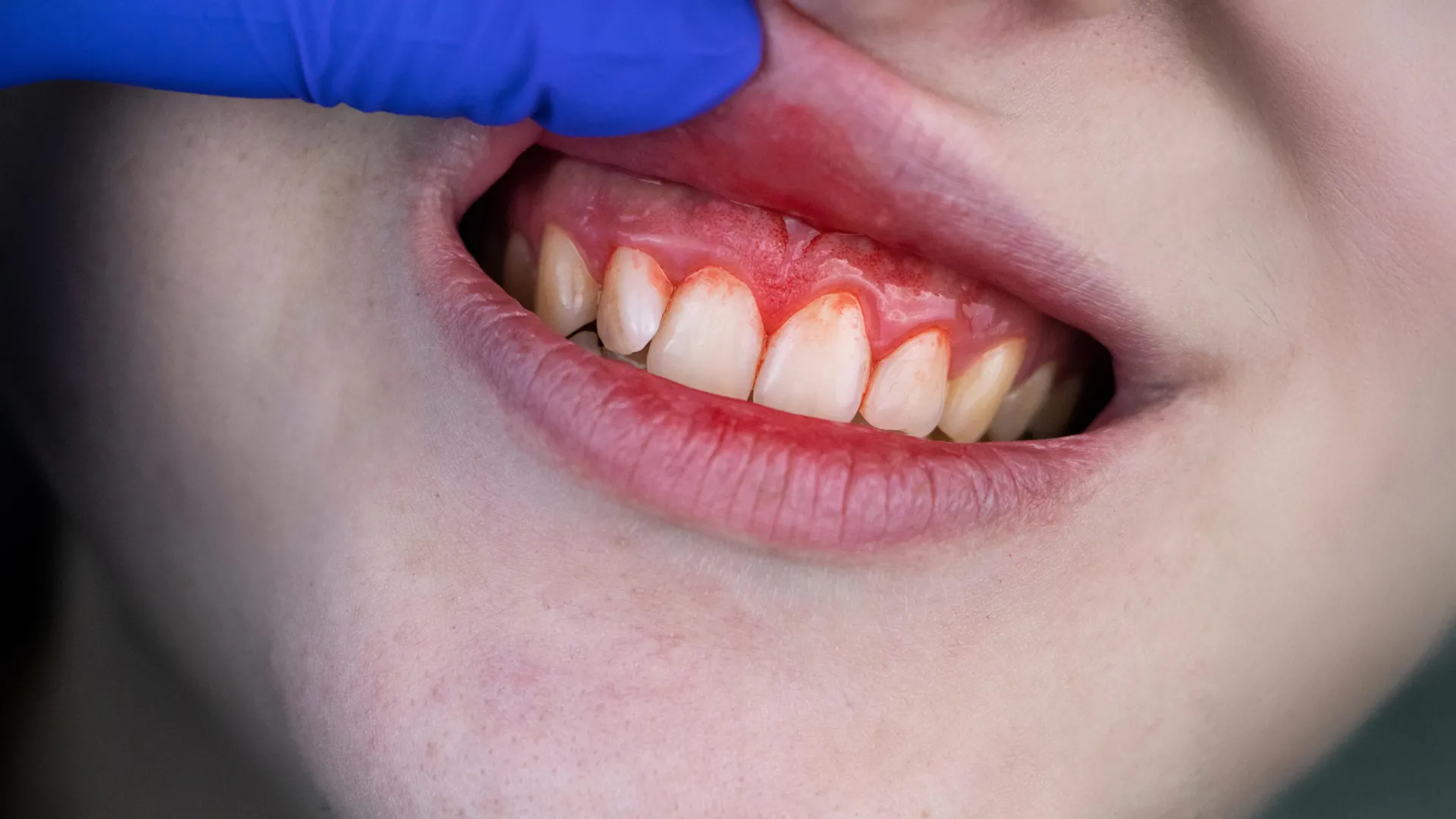
Scientists at Nagoya University in Japan have developed a new experimental method for treating periodontitis, a serious gum disease. The therapy destroys a specific harmful bacterium without harming beneficial microbes. Periodontitis damages the gums and the bone that anchors teeth, and it can eventually lead to tooth loss. The findings were published in the Journal of Translational Medicine, and so far the approach has been tested only in human cell cultures and mice.
Why conventional treatments cause problems
The mouth hosts a complex community of microorganisms, many of which help maintain oral health. Disease can develop when harmful bacteria multiply and upset that balance. One of them, Porphyromonas gingivalis, is classed by scientists as a keystone pathogen: it can strongly influence the whole microbial community even when it is not particularly abundant. It promotes inflammation and can contribute to the destruction of the bone supporting the teeth.
Some existing antimicrobial treatments do not distinguish between harmful and helpful microbes. Kazuhide Sato, a corresponding author of the study and a lecturer at Nagoya University, said antibiotics and antimicrobial photodynamic therapy eliminate both pathogenic and beneficial bacteria, and can release lipopolysaccharide, an endotoxin that may worsen inflammation.
How the new method works
The team adapted near-infrared photoimmunotherapy, a technology originally designed for cancer treatment. It uses antibodies linked to a light-sensitive dye. Once the compound binds to its target, near-infrared light activates the dye and causes damage. The researchers used IgY antibodies taken from the egg yolks of hens immunized against the bacterium; such antibodies can be produced in large quantities at low cost.
In the laboratory, the combination attached only to P. gingivalis, leaving other bacteria and healthy human gum cells unaffected. When illuminated, the dye damaged the bacterial outer membrane. The cells developed tiny openings but largely kept their shape, whereas conventional photodynamic therapy made bacteria break apart completely. That matters because bacterial breakdown can release inflammation-promoting substances.
Results in mice
In mice with periodontitis, the therapy significantly reduced loss of alveolar bone, the part of the jawbone that surrounds teeth. Saliva analysis showed less P. gingivalis, while beneficial Streptococcus bacteria were preserved. Antibiotics and standard photodynamic therapy removed both harmful and beneficial bacteria.
Next steps
The researchers acknowledge that periodontitis involves multiple bacterial species, so removing P. gingivalis alone may not be enough. They plan to use artificial intelligence to analyze publicly available data on oral bacteria and identify further targets. The therapy remains experimental, and no human clinical trials have been carried out.