New Caledonia two years after riots: deep divisions persist
Two years after the 2024 riots, New Caledonia remains deeply divided between Kanak independence supporters and loyalists, as FRANCE 24's report reveals lasting scars and fragile signs of reconciliation.

Two years after the riots that shook New Caledonia in 2024, the French overseas territory is still grappling with the consequences of one of its darkest chapters. FRANCE 24 reporters traveled from the Kanak independence stronghold of Saint-Louis to Mont-Dore, Nouméa and Bourail, meeting people living with the lasting scars of the violence.
The unrest was sparked by a proposed expansion of the electoral roll, reigniting decades-old tensions over the territory's political future. For many Kanaks, the reform threatened to dilute the Indigenous vote; for loyalists, it was a long-overdue democratic change.
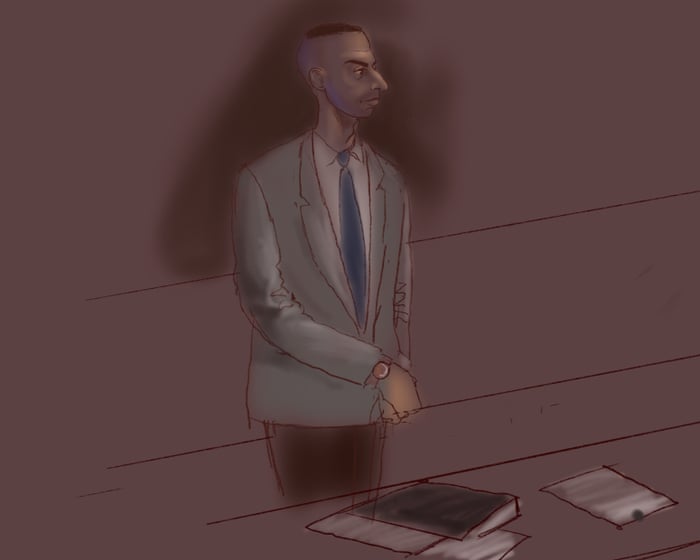
In Saint-Louis, just south of Nouméa, a wedding was being prepared. The atmosphere was joyful, but memories of the riots lingered. It was there that two young men were killed by France's elite GIGN tactical unit during the 2024 unrest. Dimitri Qenegei, who was imprisoned before being exonerated, retraced the final moments of friends who died pursuing the cause of an independent Kanaky.
A few kilometers away in Mont-Dore, Florent Perrin remembered months of roadblocks, neighborhood patrols and the efforts local residents made to protect their businesses. He remains convinced that expanding the electoral roll was both necessary and democratic. Business owner David Guyenne watched his family's shopping center go up in flames during the riots. Despite losing everything, he chose to stay and rebuild.
In Nouméa's informal settlement of Tindu, Elodie is raising her three children without running water or electricity. Living on the margins of the territory, she said she has never felt French. Further inland, in the bush, Ghislain Santacroce – a descendant of Corsican penal settlers – has lived through periods of unrest before. Having witnessed the violence of the 1980s, he fears New Caledonia could once again be heading towards a dangerous cycle of conflict and worries about what a future outside France might mean for families like his.
Yet amid these competing narratives, there are signs of hope. In Bourail, the mayor and Kanak customary leaders are patiently rebuilding trust and working together to foster genuine coexistence. Their efforts suggest that, despite decades of division, dialogue remains possible – even if the shared future envisioned by the peace agreements of the late 1980s has yet to be fully realized.