Inmates at new Liepāja prison go on hunger strike over limited outdoor time
Several inmates at the new Liepāja prison have refused food for nearly a week, protesting what they see as overly restricted access to outdoor walks. Prison administration confirms part of the complaints but disputes the number of protesters.
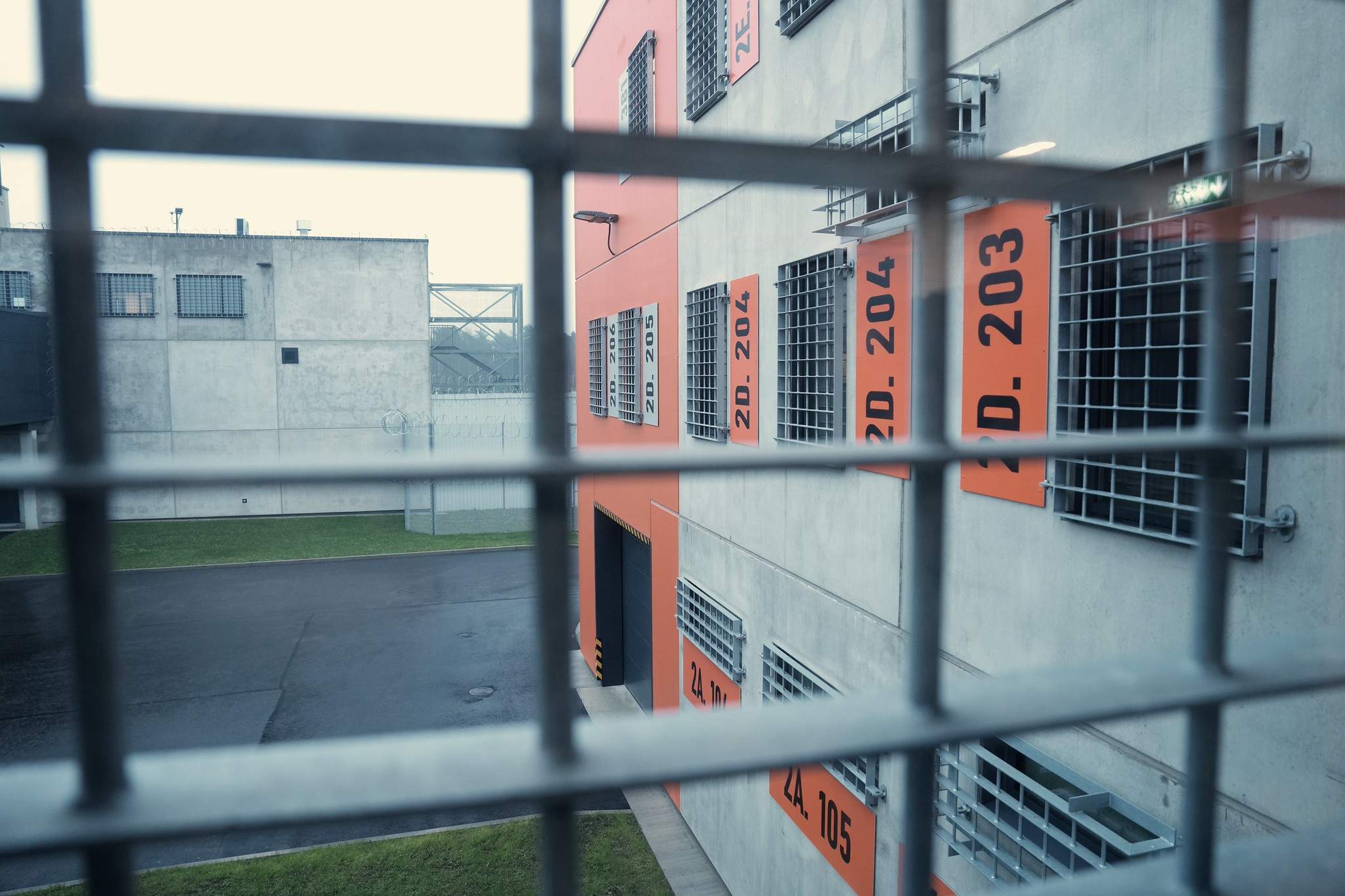
Several inmates at the new Liepāja prison have stopped eating in protest against what they consider excessively limited opportunities to go outdoors for fresh air. Latvian Television (LTV) reported the situation after receiving calls directly from inmates.
According to the inmates, dozens of people are refusing food, and the hunger strike has lasted almost a week. Ten of them have filed official complaints about it. Prison administration disputes these figures, saying that seven complaints about a hunger strike were received on Monday, while currently four people are refusing the food offered by the prison. Those four still have the option to buy food within the prison grounds or receive food from other inmates.
Discontent over walk arrangements
Inmates' main complaint concerns how outdoor walks are organized. They told LTV that previously, at Jelgava prison, after reaching the highest regime level, they could move more freely between their cell and the walking yard. At Liepāja prison, staff escort inmates to the walking yard, and each unit has its own designated time slot.
Acting prison director Artūrs Freimanis explained the difference by pointing to infrastructure — the new prison has no inner courtyard, and for security reasons different units are not gathered together. The administration also noted that requests for walks are increasing, and some of them may be used to disrupt the work of security staff.
Complaints about air quality in cells
Inmates also complain about poor ventilation and the fact that cell windows cannot be opened. The administration says ventilation systems are regularly maintained and no defects have been found, suggesting the desire for openable windows may instead relate to using them for communication between cells or smuggling contraband.
Under the current schedule, inmates can go outside four times for one hour each, plus one short walk of up to 15 minutes. For inmates who have reached the highest regime level, no specific number of hours is set in regulations, but they are allowed to spend time from morning until lights-out in a shared unit area that includes sports and other activities.