New Latvian government has no climate and energy minister as ministry is set for abolition
The new Latvian government, approved late on 17 November, has no climate and energy minister because the Ministry of Climate and Energy is slated for abolition. Industry representatives are concerned, while Prime Minister Andris Kulbergs says it is not yet decided who will take over its functions.
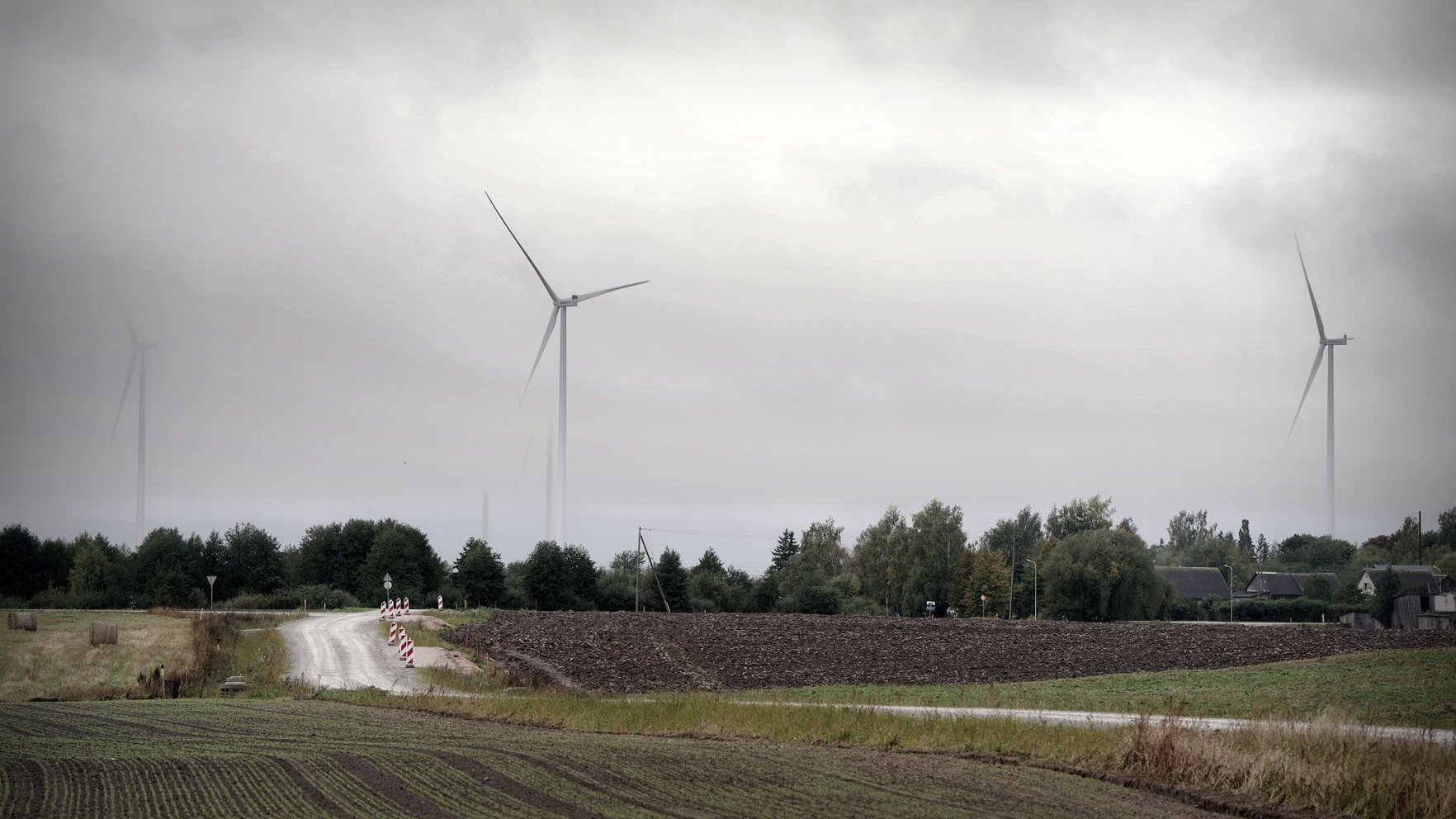
Latvia's new government, approved late on 17 November, no longer includes a climate and energy minister. The reason is a plan to abolish the Ministry of Climate and Energy (KEM) as part of a public administration reform. Industry representatives have voiced concern, stressing that climate and energy are not areas to be "played with".
According to the source, the move was widely expected, since changes, spending cuts and a reform of public administration had already been discussed before the elections.
How the ministry came about
The ministry began work on 1 January 2023, when the Ministry of Economics and the Ministry of Environmental Protection and Regional Development (VARAM) were reorganised. At the time, Evika Siliņa of the New Unity party, then parliamentary secretary to Prime Minister Krišjānis Kariņš, explained that VARAM, which also handled environmental matters, had come into conflict with the Ministry of Economics, which represented the energy sector. On 26 October 2022, on the programme "Re TV", she said each ministry represents its own interests, yet the country must jointly achieve its climate and energy goals, so a dedicated ministry was the best solution.
One of the main goals set for the new ministry was national energy independence and climate issues. Less than four years have passed since its creation.
Who takes over its functions
Prime Minister Andris Kulbergs of the United List told the outlet Delfi that it is not yet clear who will take over the ministry's functions. He said work is under way on the best model, he has not yet given the green light, and he is waiting for his colleagues to present the model.
Delfi asked representatives of the energy and climate sectors what the abolition means for them and how they assess the ministry's work over four years. In autumn 2022, when the ministry was being planned, its necessity prompted wide debate.


