New EU rules: How to handle a traffic fine from another country
The European Union is expanding the list of traffic offenses for which drivers can be fined regardless of the vehicle's registration country. Experts explain the steps to take when receiving a penalty notice from abroad.
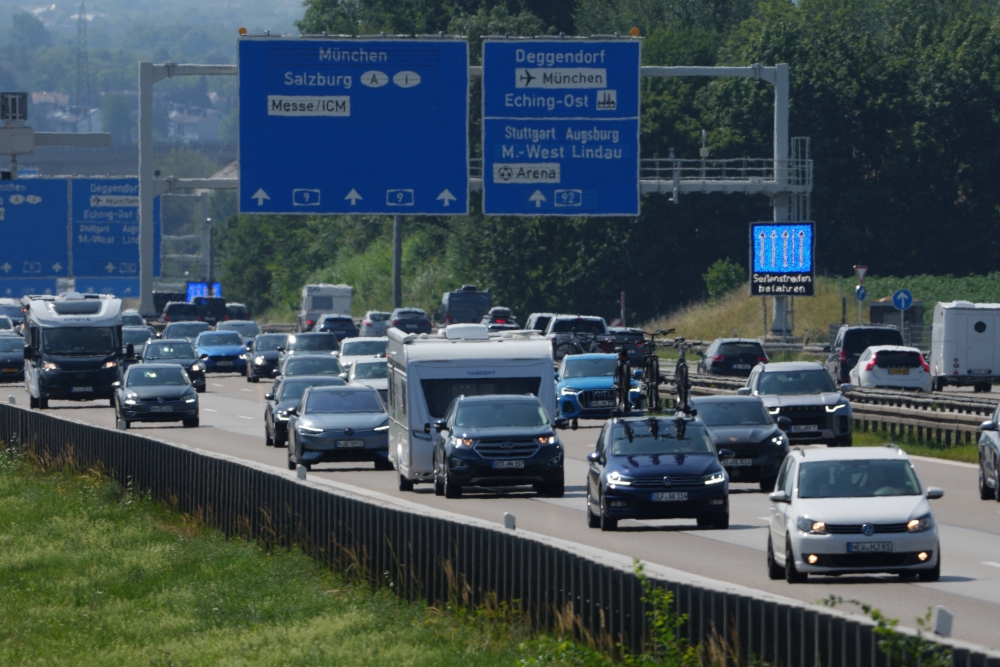
When driving abroad, travelers should be aware that traffic rules vary. Since 2015, the EU Directive 2015/413 has allowed member states to exchange information to impose fines even if the vehicle is registered in another country. Initially, it covered eight offenses, including speeding, not wearing a seatbelt, and driving under the influence of alcohol or drugs.
However, experience showed that the existing regulation was not effective enough – there was a lack of transparency in fine amounts and appeal procedures, and complications arose with rental cars. Therefore, in 2025, Directive 2024/3237 came into force, significantly expanding the list of offenses. New offenses include failing to keep a safe distance, dangerous overtaking, improper parking, crossing solid lines, driving the wrong way, violating emergency corridors, using overloaded vehicles, ignoring access restrictions, hit-and-run, and failing to obey rules at railway crossings.
Furthermore, the directive requires that the penalty notice be clear and understandable for people without legal training, and that information be provided in a language the recipient understands, using the European e-Justice portal or translations. Member states must implement these rules by July 20, 2027.
What to do upon receiving a fine? The Latvian Road Traffic Safety Directorate (CSDD) advises an immediate response. First, carefully check the vehicle number, photo, location, and date. Pay attention to the deadline for contesting – even if you believe the notice is erroneous, do not ignore it. If you suspect fraud, do not transfer money or click suspicious links; verify the authority’s contact details through official sources. If someone else was driving, check whether the country allows naming the actual driver. Keep all correspondence and payment receipts. Missing the deadline can result in the decision becoming final and enforceable, potentially leading to debt collection.