New anti-racism standard will force Australian universities to use definitions of antisemitism and Islamophobia
Starting in 2027, Australian universities will be legally required to adopt definitions of antisemitism, Islamophobia, and racism against Aboriginal and Torres Strait Islander people, along with a transparent complaints process.
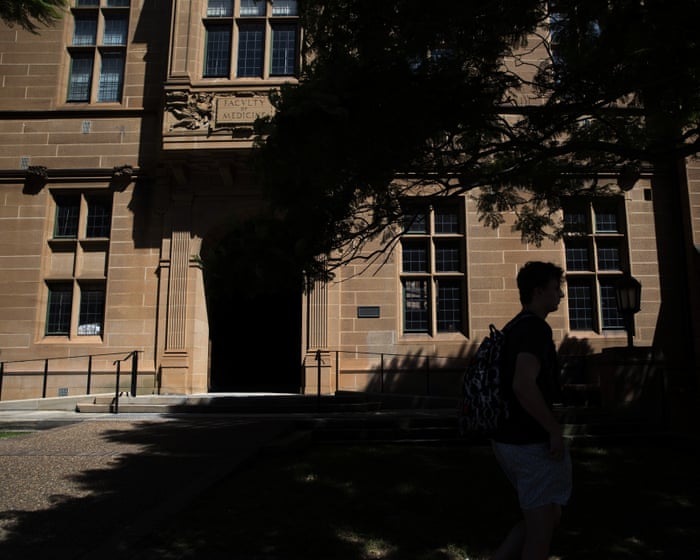
Australian universities will be required to adopt definitions of antisemitism, Islamophobia, and racism toward Aboriginal and Torres Strait Islander people from next year under a legally enforceable standard designed to stamp out discrimination on campuses. Details of the anti-racism standard will be published on Monday as university bosses, students, and academics prepare to appear at the royal commission into antisemitism and social cohesion.
A separate set of governance principles will also become enforceable standards, including an obligation on public universities to publish vice-chancellor salaries, spending on consultants, and the outcome of board meetings.
The introduction of a formal anti-racism standard was part of the antisemitism plan the federal government published after the Bondi massacre and a recommendation from the Human Rights Commission’s landmark report on racism at Australia’s universities. The "Respect at Uni" report found racism was “systemic” on campuses, revealing cases of Palestinian students being mocked with shouts of “terrorism,” First Nations students being compared to “petrol sniffers” in lecture halls, and Jewish students being fearful of attending class.
Under the standard, universities will be required to adopt a definition of antisemitism, Islamophobia, and racism toward Aboriginal and Torres Strait Islander people, create a “transparent” complaints process, and issue guidance to students and staff. Universities are allowed to use their own definitions, including for antisemitism, meaning they will not be forced to adopt the International Holocaust Remembrance Alliance (IHRA) definition. The IHRA definition is contentious because of concerns it could be used to shut down criticism of the state of Israel.
Last year, Universities Australia adopted its own sector-wide definition of antisemitism, which stated that criticism of the Israeli government is not necessarily antisemitic but could be if it is grounded in “harmful tropes, stereotypes or assumptions.” An audit conducted by Emeritus Professor Greg Craven on behalf of the antisemitism envoy, Jillian Segal, found no university was properly adopting the definition, prompting calls for stricter enforcement.
Federal Education Minister Jason Clare said there “was no place for antisemitism or any type of hate in our universities or anywhere else.” “Unis will have to act to prevent racism and respond when it happens,” Clare said.
Compliance with the new standards will be enforced by the Tertiary Education Quality and Standards Agency (TEQSA), which has the power to cancel the registration of a university, impose conditions on its license, and seek fines via the courts. The government is planning to introduce laws in coming months to strengthen the powers of the regulator, which Clare has argued “has a sledgehammer and a feather, but not much in between.”
All universities will be required to adopt the anti-racism standard from 1 January 2027. The governance standards will apply to public universities from 1 January 2027 and private universities from 1 July 2027.
Universities’ handling of antisemitism on their campuses will be in the spotlight this week as higher education chiefs, academics, and students give evidence at the latest block of hearings at the royal commission. The president of the Human Rights Commission, Hugh de Krester, and Josh Keller from the Australian Academic Alliance Against Antisemitism are among the witnesses scheduled to give evidence at Monday’s hearing.
On Sunday, Clare told Sky News he was anticipating “pretty horrific evidence” from Jewish students detailing the abuse, intimidation, and harassment suffered on campuses. “The universities were caught flat footed here and, in fairness to the universities, some of them have made important improvements over the course of the last few years – but not enough,” he said. “There’s a lot more to do.”