New tool lets people block loans from being taken out in their name
Latvia's Credit Register portal kib.lv now offers a "STOP credit" flag that prevents loans from being issued under a person's name without their knowledge. The tool aims to protect against both fraud and impulsive borrowing decisions.
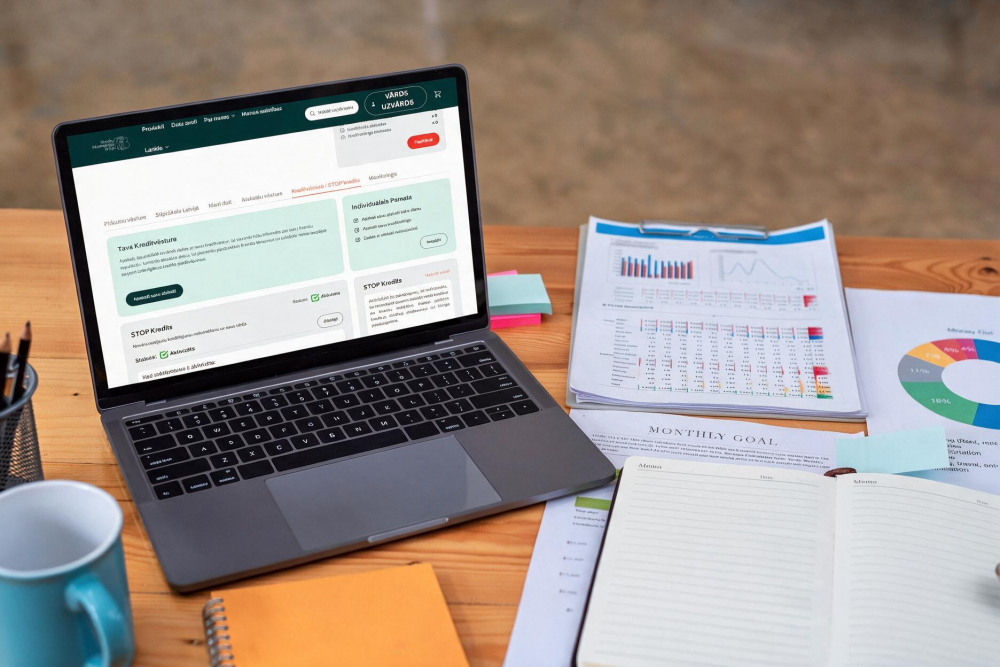
The Credit Information Bureau's portal kib.lv now allows users to activate a security flag called "STOP credit," designed to protect people both from rushed borrowing decisions and from fraudsters attempting to take out loans in someone else's name.
Why it matters
Financial trouble often stems from impulsive choices, such as spontaneous purchases or gambling, which can later make loan repayment difficult. There is also a risk of falling victim to fraud: if criminals obtain a person's data — name, national ID number, document details, or payment card information — they may attempt to open a loan using a stolen identity, or use other manipulation tactics, such as posing as bank or police representatives. Importantly, under Latvia's Civil Law, a person remains obligated to repay a loan even if they were a victim of fraud when it was taken out.
How the flag works
The "STOP credit" flag applies to all types of loans — mortgages, consumer loans, leasing, and short-term loans. Once activated, lenders can see that a person does not wish to borrow, preventing fraudsters from opening a loan in their name. If a genuine need to borrow arises, the flag can be removed, but it only takes effect after a 72-hour delay. This waiting period is meant to prevent both impulsive purchases and pressure tactics often used by scammers, who try to rush victims into decisions before they have time to verify a caller's identity. The flag can be reactivated afterward.
Users can enable or disable the flag on kib.lv, after authenticating with SmartID or eID, in the "Credit History / STOP credit" section, where they can also view their credit history free of charge.
Staying alert to fraud
Given the rise in cyberattacks against state institutions and companies, which can lead to data leaks, people are urged to critically assess any call, text message, or email requesting personal or banking information, paying attention to language and spelling quality. Recommendations include verifying senders, avoiding suspicious links or attachments, and being cautious about urgent requests to transfer money or share passwords. Anyone who has already handed over banking details or money to fraudsters should immediately contact their bank and the State Police by calling 112.