New Zealand dairy farms: profit gap between best and weakest performers reaches hundreds of thousands of dollars
DairyNZ's latest economic survey shows average operating profit on New Zealand dairy farms rose 70% in the 2024/2025 season. A wide gap separates the top quarter of farms from the bottom quarter, and efficiency lies behind it.
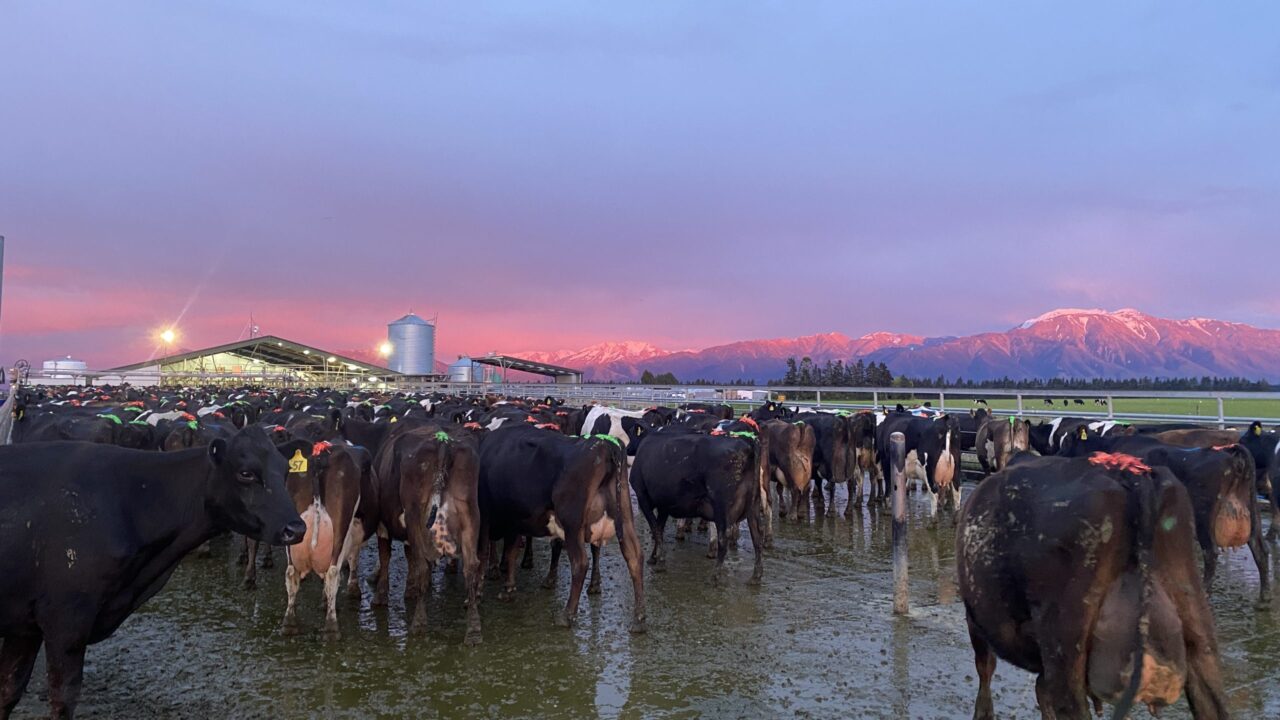
An economic survey for the 2024/2025 season, published by DairyNZ, the New Zealand dairy industry body, shows that average operating profit on owner-operator dairy farms rose by 70%. It reached NZ$4,849 per hectare. DairyNZ attributed the result to an average milk price of NZ$10.02 per kilo of milk solids and to higher production. The findings matter beyond New Zealand, because they show how strongly farm efficiency shapes results while costs keep climbing.
A wide gap between farms
At individual farm level, the differences are stark. The most profitable 25% of farms earned roughly NZ$4,886 more per hectare than the least profitable 25%. With the average New Zealand dairy farm covering 165 hectares, a farm of that size in the top group makes more than NZ$800,000 more than one in the bottom group.
The leading farms produce more while spending less. The survey found the top quartile produced 76% more milk solids per hectare and 29% more per cow than the bottom quartile. They did so with costs per kilo of milk solids that were 26% lower.
Where efficiency comes from
Feed efficiency is one of the main factors. The survey noted that feed costs are rising by 15% year-on-year. The article's author stresses that keeping cows on lush, high-quality grass is the main driver of profitability. Concentrates will still be needed, particularly at the shoulders of the year, but rates may need adjusting weekly, including during droughts. Feed-to-yield systems can be a useful tool.
The second area is the cow herself and her genetics. The benchmark in New Zealand is 1kg of milk solids for every kilo of liveweight. For pasture, the author points to regular grass walks, quick adaptation to covers, soil fertility, strategic use of concentrates and a well-planned breeding programme. Many costs are beyond a farmer's control, but getting the cow and the grass right makes a major difference to profitability.