Early New Zealand election results show a near-tie between the two main parties
In New Zealand's general election, which centred on the cost of living, early vote counts show Labour narrowly ahead of Prime Minister Christopher Luxon's National Party. The outcome is still too close to call.
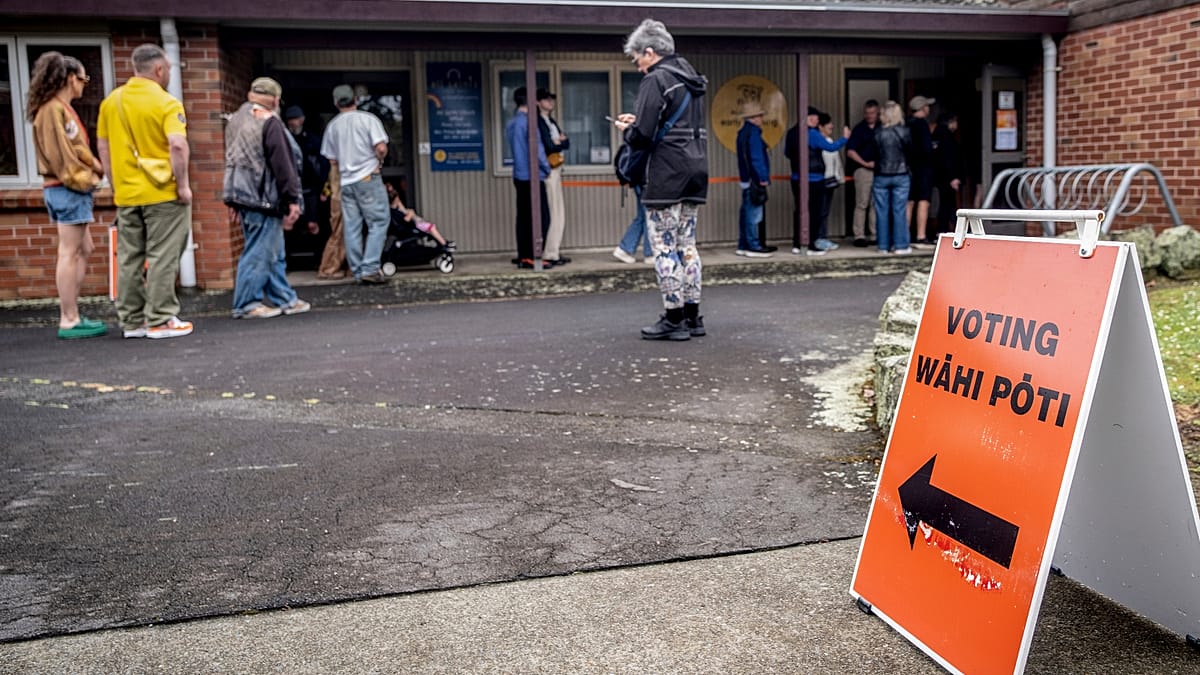
Votes are being counted in New Zealand's general election on 7 November, and early results show the country's two largest parties almost level. The campaign focused on the cost of living and the economy. The result matters because it will decide whether the governing right-wing coalition stays in power for another term.
Prime Minister Christopher Luxon and his National Party-led coalition are seeking a second term. Their main challenger is Chris Hipkins, leader of the Labour Party. Polls have closed, but the outcome is too close to call.
The count so far
With just over 42% of votes counted, Labour leads on 29.71%, with National on 29.41%. The Green Party is third on 13.96%. ACT New Zealand, a National coalition partner, has 10.63%, and the New Zealand First Party has 9.41%. None of the parties is expected to win a majority in parliament.
How New Zealanders vote
In a general election, each voter casts two votes. The party vote chooses the party they want in government. The electorate vote picks a candidate to represent their local voting area in parliament.
People of Māori descent can choose between the general roll and the Māori roll. Choosing the Māori roll means voting for a candidate in the Māori electorate where they live. For example, a Rotorua resident on the North Island who picks the Māori roll would vote in the Waiariki electorate, while one on the general roll would vote in the Rotorua electorate. In each case, the candidate with the most votes becomes the local MP.