New Zealand election: new centrist party becomes kingmaker in government formation
New Zealand's final vote count gave neither the right nor the left a majority. The newly formed centrist Opportunity party, with seven seats, will decide who forms the government.
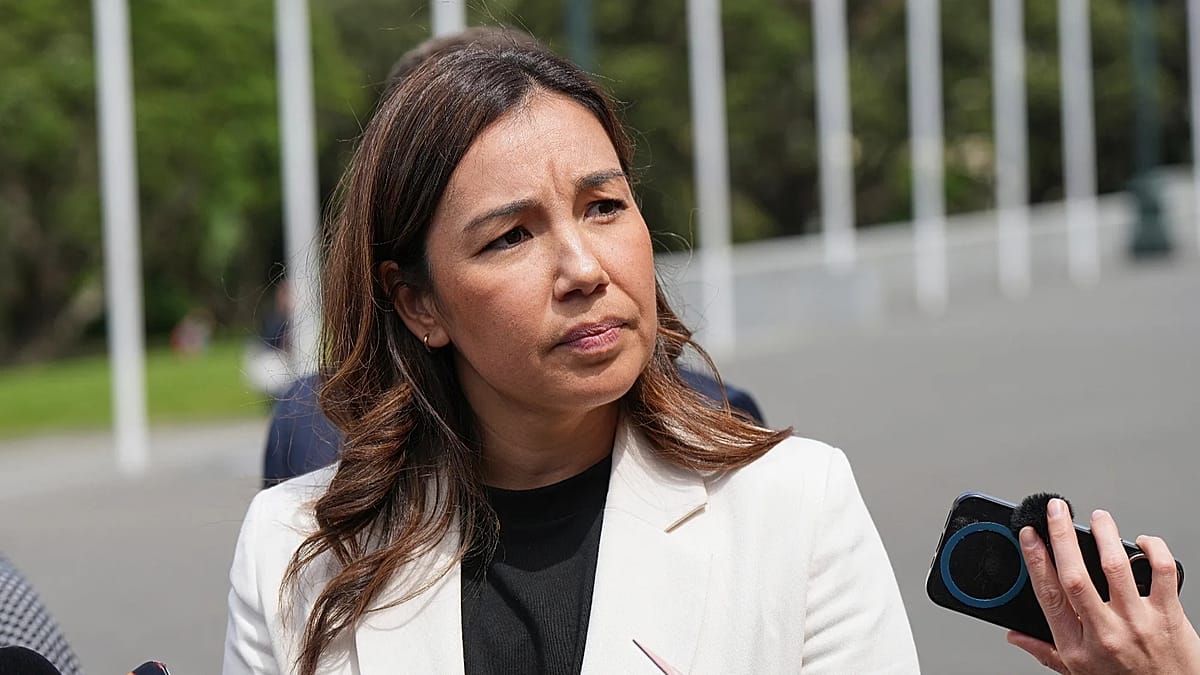
New Zealand's final count from the 7 November parliamentary election has left neither political bloc with a majority in the 130-seat parliament. The decisive role has fallen to Opportunity, a new centrist party aligned with neither side, which holds seven seats. Who governs now depends on negotiations that may be lengthy, and if no government can be formed, the country could face a fresh election.
The Electoral Commission's final figures, which include about 400,000 special votes such as ballots from New Zealanders abroad, show 2.8 million votes cast in total. Prime Minister Christopher Luxon's National party lost two seats and finished on 40. The right-wing bloc holds 65 seats, one short of the 66 needed for a majority. The left bloc, led by Labour leader Chris Hipkins, has 58 seats, 36 of them Labour's.
On Friday Hipkins conceded that Opportunity's support would not be enough to put the left in power. Luxon had ruled out working with Opportunity before the vote, but has reversed course and says he is confident of forming a government with it and his usual partners, the libertarian ACT party (13 seats) and the populist NZ First (12). All three smaller parties would need to back him. "These negotiations may be challenging and they could take some time," he said. "But getting it right matters far more than getting it done quickly."
Opportunity's demands
Opportunity is led by 38-year-old business consultant Qiulae Wong, who has said she could work with either side. The party's five "bottom line" policies include tougher climate action and an end to bottom-trawling, both at odds with the positions of ACT and NZ First. Wong has also repeated that she will not join a government in which NZ First leader Winston Peters is foreign minister, citing his past remarks in parliament about Asian people. She said she would consider either a full coalition or a "confidence and supply" deal, under which her MPs would back key legislation and decide other bills case by case.
Background to the result
Both major parties took under 30% of the party vote: Labour 29.88% and National 28.35%. Analysts pointed to anger over the cost of living and little enthusiasm for either leader. Luxon survived two confidence votes among his own MPs this year, while Hipkins led Labour to defeat in 2023. Minor parties on both flanks gained ground, with the Greens on 17 seats and Te Pati Māori on five. Opportunity failed three times to enter parliament before Wong took over less than a year ago, and none of its new MPs has served in parliament before.


