Protest in Jēkabpils Against Russian Grain Transit; PM Promises Bill
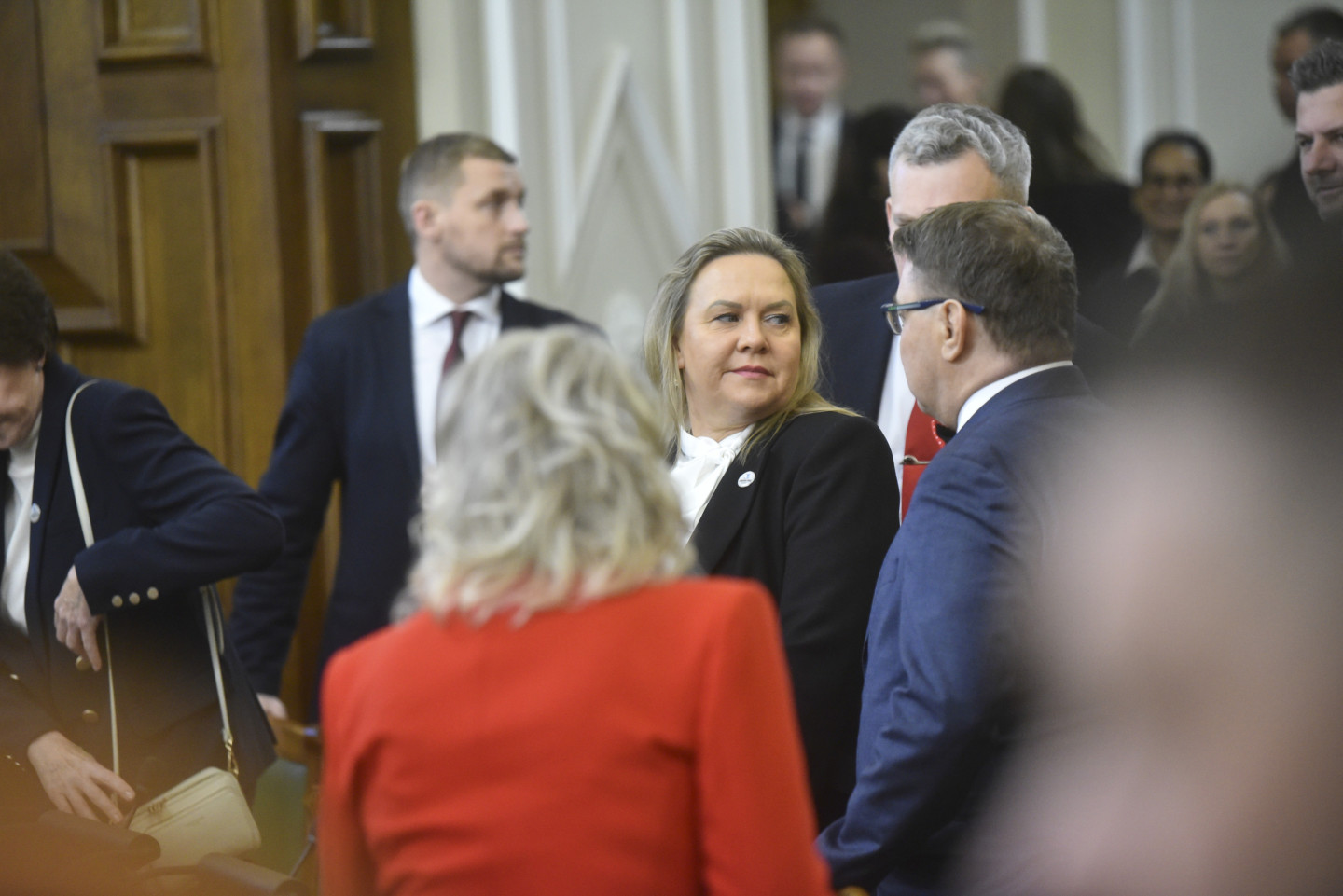
A protest against the transit of grain from Russia and occupied Ukrainian territories through Latvia took place in Jēkabpils on Saturday. Prime Minister Andris Kulbergs said a bill would go to the Saeima to ban new transit contracts.
A protest against the transit of Russian grain over Latvian railways took place on Saturday, 7 November, in the Latvian city of Jēkabpils. Held under the slogan "No to blood grain!", it drew hundreds of participants, along with several dozen heavy vehicles, including tractors and grain lorries. Prime Minister Andris Kulbergs promised to bring a bill before the Saeima, the Latvian parliament, that could stop such transit.
The demands
The protest was initiated by farmer and civic activist Gundars Kalve and like-minded supporters. They are urging the government to fully halt the transit of grain from Russia and the occupied territories of Ukraine through the Latvian railway network. The organisers argue that since the start of the war Latvian society has supported Ukraine by taking in refugees, raising funds and delivering humanitarian aid, so using Latvia's transport infrastructure for Russian grain is unacceptable. Some participants said they came to show support because Latvian farmers are also losing out because of this transit.
The prime minister's statement
Kulbergs told the protesters that the planned bill would let Latvia stop the transit by banning the conclusion of new contracts. Coordination between ministries is planned for next week. He stressed that the transit must end and that Latvia must not feed the Russian military machine or provide money that goes towards killing Ukrainians, while admitting that a quick solution has not yet been found.
The prime minister believes a ban at the Latvian level alone would not be effective and should be coordinated with the European Union. He noted that transit restrictions fall within EU competence and that Latvia must follow generally applicable rules.
Neighbouring countries
Lithuania is pressing for a practical mechanism to verify the origin of grain, so that EU ports and transport infrastructure are not used for transit of Ukrainian grain that Russia has taken from occupied territories. Estonia, for its part, plans to block Russian grain transit through its ports completely.